TECH
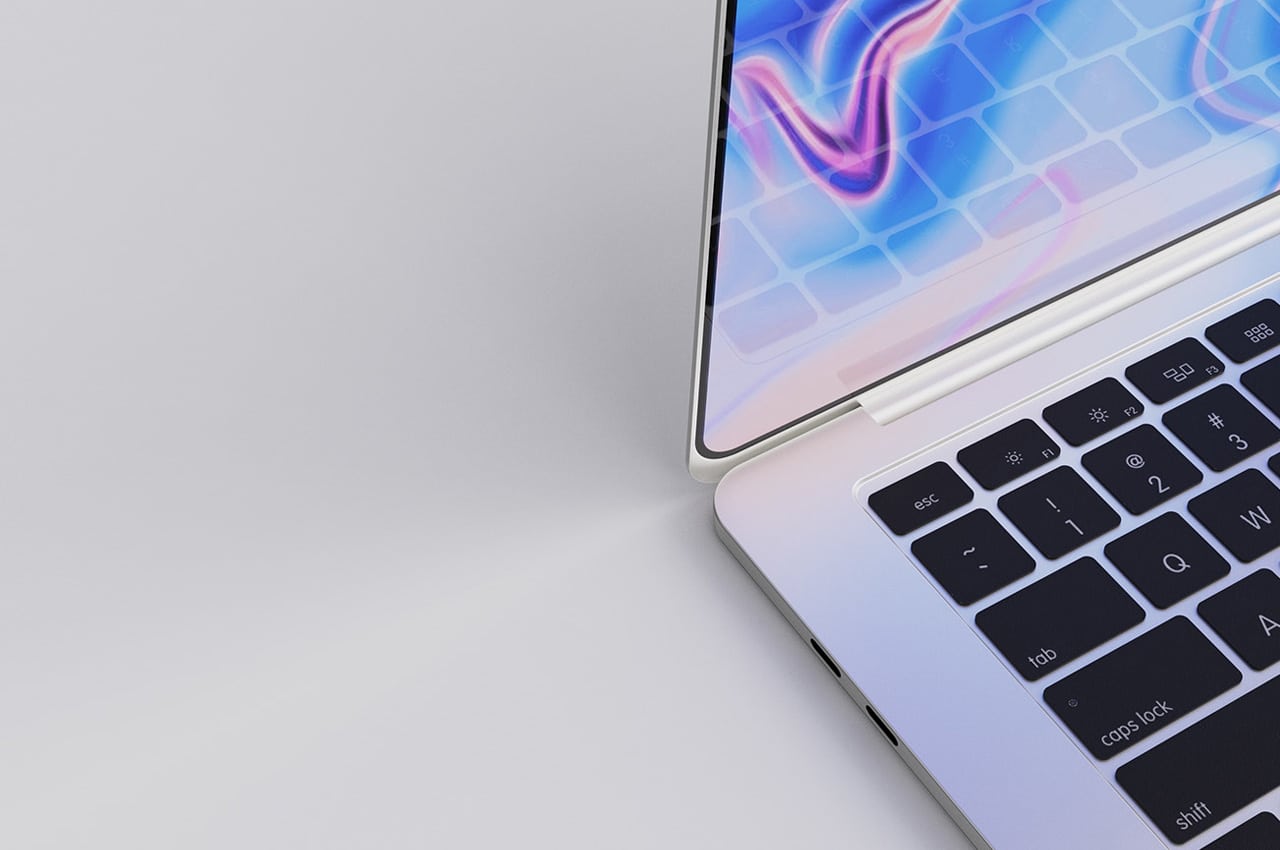
Apple MacBook Pro touchscreen: OLED and dynamic island coming in late 2026
In 2010, Steve Jobs was categorical and relentless in referring to the idea of a Mac with a touchscreen: “It’s ergonomically terrible.” Fast forward a little over a decade and a half, and Apple seems poised to contradict one of its most iconic founders. The laptop landscape has changed dramatically since then: we’ve seen optical disc drives disappear, we’ve seen the transition from Mac OS X to macOS, the universal adoption of SSD drives, and, more recently, the Apple Silicon processor revolution.
Now, according to the latest reports and leaks, we are on the verge of witnessing the next major paradigm shift. The Cupertino giant is preparing to launch its first computer equipped with a touchscreen: the future MacBook Pro with the M6 processor, which is scheduled to arrive at the end of this year, 2026.
Apple is no stranger to gradual updates, but full-scale redesigns are rare and far between. The MacBook Pro, known for its utilitarian aluminum frame and powerhouse performance, hasn't seen a substantial design overhaul in years. But if Gurman’s reports hold true, 2026 could mark a turning point.
“Apple wants to make these MacBook Pros the ‘thinnest and lightest products in their categories across the whole tech industry,’” Gurman noted, hinting at a new benchmark for sleekness that might redefine expectations for the device.
So why delay the redesign until 2026? According to Gurman, Apple’s original plan was to launch a revamped MacBook Pro in 2025. However, setbacks involving display technology—believed to be tied to OLED—pushed the schedule back by a year.
Apple’s push towards OLED isn’t entirely surprising. The technology promises richer colors, superior brightness, deeper contrast, and, crucially, improved energy efficiency. The company already integrated OLED into its M4 iPad Pro models, and the leap to an OLED MacBook Pro could mean a thinner, more visually striking laptop with better battery life.
The shift to OLED could be pivotal for MacBook Pro users. Not only would it offer unparalleled display quality, but it could also reduce the device’s thickness significantly. “OLED panels are thinner than your typical LED ones, and Apple’s going to take advantage of that by making the MacBook Pro thinner,” Gurman remarked.
Apple’s return to an ultra-slim design would reverse the slight increase in thickness seen in M-series models like the M1 MacBook Pro, where more powerful chips necessitated larger cooling systems. Gurman’s insights suggest Apple is now re-prioritizing elegance without compromising functionality.
The introduction of the ‘Dynamic Island’ in laptops...The freshest information comes from Mark Gurman, one of the most reputable and accurate journalists when it comes to Apple's secrets. In his latest report, Gurman reveals that the MacBook Pro M6 will not only adopt the coveted OLED screen technology, but will also import one of the most striking features of the brand's smartphones: the Dynamic Island. Originally introduced in the iPhone 14 Pro models and made standard in subsequent generations, this interactive interface will finally replace the static and sometimes criticized “notch” that is currently present on MacBook screens.
On macOS, the Dynamic Island will work very similarly to what we already know on the iPhone. The area around the camera will expand depending on the application or functionality in use. Users will be able to view details of the music playing on Apple Music, follow live sports scores on Apple Sports, check precipitation forecasts from weather apps like Carrot Weather, among other real-time information. Essentially, Apple wants to unify the visual and interactive language between its mobile devices and its professional computers.
A macOS redesigned for your fingers... With the addition of a touchscreen, an obvious question arises: won't this MacBook Pro kill the iPad? Apple is perfectly aware of this risk. Therefore, the new notebook will continue to be, in its essence, a traditional computer, equipped with the excellent keyboard and the huge trackpad that the brand has accustomed us to. The use of the touchscreen will be entirely optional, with the user deciding how often they prefer to use their fingers instead of the cursor.
To ensure that the experience is not frustrating, Gurman's sources indicate that macOS will receive specific optimizations to become more touch-friendly. For example, when tapping on a menu bar option with your finger, the system will present a set of larger, more spaced-out controls designed to prevent accidental touches. The new MacBook Pro will also inherit features native to iPadOS and iOS, such as fast scrolling in lists and the ability to zoom in or out on images and web pages using the classic pinch gesture. Even the emoji selector will be adapted for smoother, more intuitive tactile interaction.
In addition to the inclusion of the OLED screen and Dynamic Island, the tech giant is expected to take the opportunity to slim down the chassis of the future Mac, making it thinner and lighter, while maintaining the overall industrial design language that characterizes the current Pro line.
This raises an interesting point about Apple's 2026 release schedule. Historically, Windows laptops have always had the advantage of offering touchscreens, a gap that Apple has compensated for with exceptional performance and unbeatable battery life thanks to its custom chips. Now that the playing field will be leveled with the introduction of touch on Macs, the company's strategy will be aggressive and two-pronged.
The report clarifies that the touch-enabled MacBook Pro M6, likely available in the usual 14- and 16-inch versions, will only hit shelves at the end of 2026. However, this spring, Apple is expected to launch an update to its laptops with the M5 Pro and M5 Max chips. The market will therefore witness two distinct updates to the MacBook Pro line within a few months: a first focused on the leap in raw power with the M5 processor, and a second that will bring the true visual and interactive revolution promised by the touch-sensitive OLED screen and Dynamic Island.
by mundophone


No comments:
Post a Comment