TECH
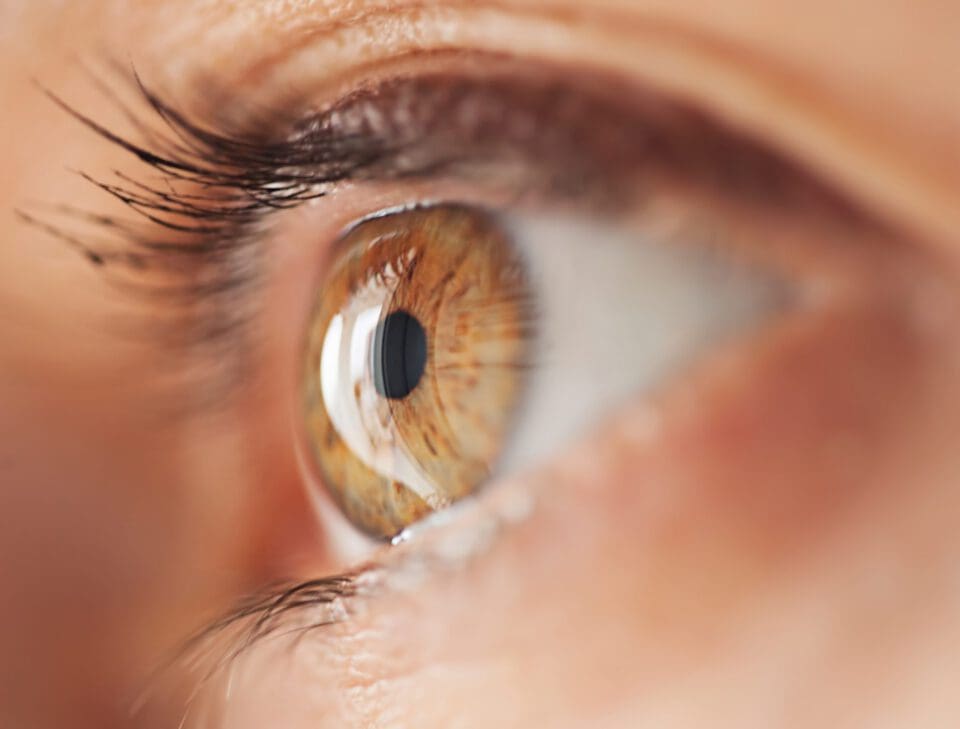
Researchers have discovered a previously unknown color, said to surpass all existing ones in intensity. However, the new color called "Olo" can hardly be seen by anyone.
Science has revealed a new color – or more precisely, one that’s invisible to the human eye under normal conditions. In a study published on April 18, 2025 in Science Advances, researchers from the University of California Berkeley describe a new kind of color perception. They achieved it using precise laser pulses and named this color "Olo."
Only visible in the lab...What sounds like science fiction is actually rooted in a highly controlled physical process. Olo becomes visible only when the M-cones – color receptors in the human retina – are stimulated by ultra-precise laser light. Without this exact kind of input, the color remains completely invisible. No screen or natural light can reproduce it. In the study, five participants took part in a series of 222 color comparisons using a specialized optical setup. The results showed that Olo exists outside the familiar LMS color space. To compare it with conventional colors, researchers had to desaturate it by blending in white light.
Blue-green – but with extreme saturation...Olo has been loosely compared to a vivid turquoise, but it exceeds any known color in intensity. Test subjects called it "incomparably saturated," "blue-green with a hint of blue" and "breathtakingly intense." Researcher and co-author Ren Ng referred to it as "unimaginably saturated" – a level of color richness that goes far beyond anything a screen or print could ever reproduce.
Possibilities for the future...The experimental setup used to reveal Olo is technically complex, expensive and not yet suitable for mass production. As a result, it may be some time before the wider public can experience this new color. Still, scientists see promising potential in the discovery. Future display technologies could offer much more vivid color experiences by targeting specific cone receptors in the eye. There are also possible applications in medicine. The technique could one day help treat color blindness or advance research into the brain’s ability to adapt and reshape visual perception.
mundophone


No comments:
Post a Comment