TECH
Data centers grow with AI, but energy and water consumption raise alarms
Data centers are proliferating rapidly across the United States, Europe, and other regions of the globe. These massive facilities are essential for digital services and, crucially, for the new artificial intelligence race. However, their growth comes at a high cost: increased electricity usage, vast water consumption, and direct impacts on the cities hosting these structures.
Emmanuel Ferrario, a columnist for *Infobae en Vivo*, explained that data centers do more than just determine how we store and process information; they will also play a pivotal role in the development of AI and, consequently, in the daily lives of millions of people.
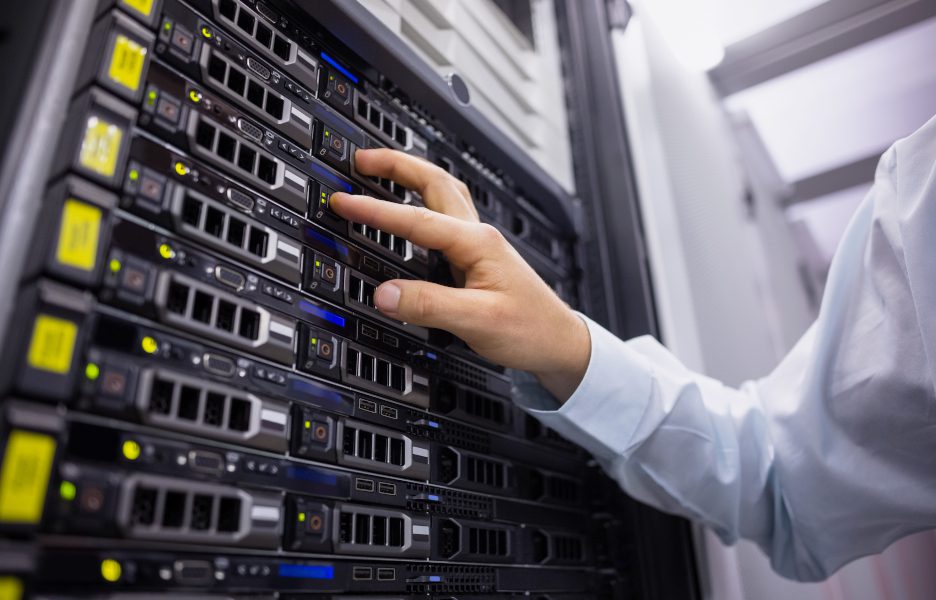
According to Ferrario, these facilities function like true digital factories. They house the computers, servers, storage systems, and massive networks responsible for storing and processing virtually everything that occurs in our connected world.
Furthermore, they provide the necessary infrastructure to train and run the artificial intelligence models that are gaining ground across various economic sectors.
Resistance to data centers is mounting...Despite their technological importance, building new data centers is becoming increasingly difficult.
Ferrario notes that this resistance is growing primarily in the United States and Europe. Key concerns include electricity consumption, water usage, noise from the facilities, and the generation of electronic waste.
The United States already hosts around 5,500 data centers and had planned to add nearly 4,000 more over the next three years. However, according to the columnist, the actual pace of construction is falling well short of expectations.
Currently, only about 40% of the capacity needed to meet expansion plans is reportedly under construction.
This slowdown stems from various causes, including a shortage of skilled labor, difficulties in sourcing chips, limitations in electrical infrastructure, and—increasingly—opposition from local communities.
A study cited by Ferrario highlighted the scale of this resistance. Only 23% of respondents in the United States viewed the expansion of these facilities positively, while 48% held a negative view. More than 60% also opposed having a data center located in their own city.
Energy and water have become critical issues...Resource consumption lies at the heart of the debate.
According to Ferrario, a mid-sized data center can consume a daily amount of water and electricity comparable to that used by a city of 30,000 to 50,000 inhabitants.
The issue becomes even more sensitive when governments or utility companies offer incentives to attract these facilities.
The columnist notes that part of this cost may end up being passed on to other consumers in the region. This fuels resistance among residents who fear paying higher prices for the energy required to power large-scale tech operations.
Water presents another major challenge. Many data centers require massive cooling systems to prevent servers from overheating.
Some countries are already attempting to curb this waste. In Germany, for instance, initiatives are underway to capture some of the heat generated by data centers and repurpose it for urban heating systems.
Public pressure is also mounting on authorities.
Ferrario highlighted that several U.S. states have adopted restrictions or begun discussing limits on new facilities. In some regions, local governments are even considering moratoriums to temporarily halt new construction or expansions.
The situation varies significantly across Europe.
Countries with abundant energy supplies may adopt a more flexible approach; France, for example, boasts extensive nuclear infrastructure. Other European governments, however, impose stricter environmental requirements before greenlighting new projects.
This disparity demonstrates that the race for data centers hinges on more than just technology. Energy availability, electrical infrastructure, water resources, and public acceptance have also become strategic factors.
AI is also turning data into a matter of sovereignty...There is yet another concern: who controls all this infrastructure. Concentrating vast amounts of information in a few data centers raises questions regarding digital sovereignty, security, and control over sensitive data.
At the same time, the phenomenon known as NIMBY—short for "not in my backyard"—is on the rise. The term describes people who acknowledge the need for certain infrastructure but do not want its impacts near where they live.
According to Ferrario, something similar is already happening with data centers.
Growth seems inevitable, but it will come at a price...The expansion of artificial intelligence will likely require even more computing power in the coming years. This means new servers, larger facilities, and a growing demand for electricity and cooling systems.
As a result, the conversation is shifting. The question is no longer simply whether or not to build data centers, but how to expand this infrastructure without offloading its environmental and economic costs onto communities.
Governments are exploring various approaches, ranging from strict restrictions to economic incentives and environmental mandates.
Artificial intelligence may be at the heart of the next major technological transformation. Yet, behind the seemingly invisible algorithms lies a deeply physical infrastructure—one that requires vast amounts of energy, water, and space to keep running.
mundophone


No comments:
Post a Comment