TECH
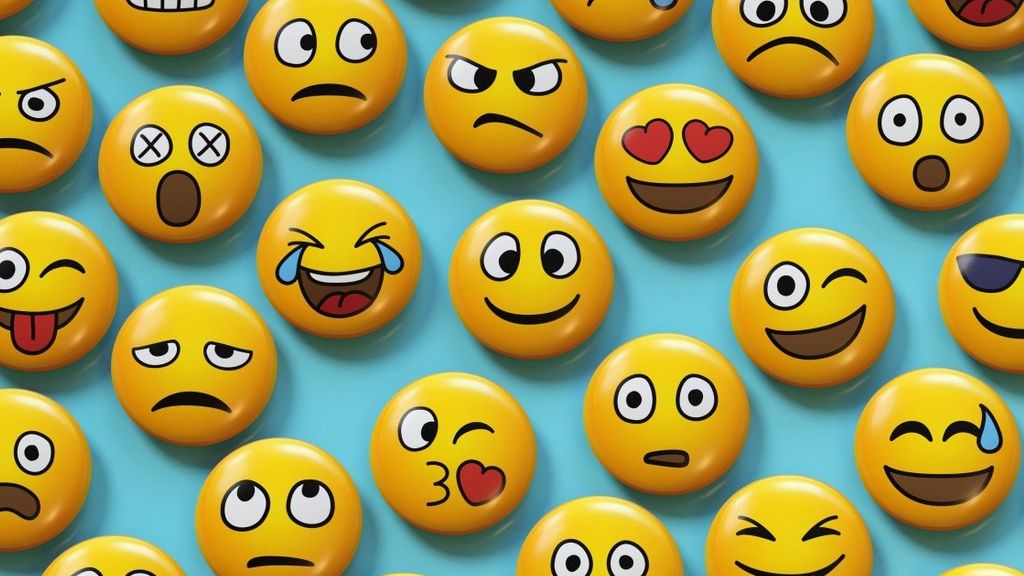
World emoji day
World Emoji Day, celebrated on July 17, is a global tribute to the small icons that have revolutionized our digital communication. The date was established in 2014 by Jeremy Burge, founder of Emojipedia, and quickly gained traction on social media.
The reason? The calendar emoji displays "July 17" by default—a reference to the launch of Apple’s iCal in 2002. Over time, all major platforms adopted this same standard for the emoji, reinforcing the significance of the date.
How did it start?
1999: The first emojis appear, created by Shigetaka Kurita in Japan.
2013: Emojipedia—the "encyclopedia of emoji"—is launched.
2014: The first World Emoji Day takes place, featuring the hashtag #WorldEmojiDay.
Why does this date make sense?
The calendar emoji displays July 17, an "Easter egg" (a hidden message, image, or feature inserted by creators into products like games, movies, and software as a surprise for users).
In 2015, the topic was the most discussed subject on Twitter.
In 2016, Google changed the design of its calendar icon to reflect this date.
On World Emoji Day, celebrated this Friday (July 17), here’s a quick test: do you know what 👍, 💀, 🪑, 😭, and 💅 mean? The answer might not be so obvious.
Created to complement communication, emojis have taken on new meanings over the years. In many cases, they have moved beyond simply representing the object or emotion they depict to function as slang, cultural references, and even codes shared by specific online communities.
This phenomenon is driven primarily by social media, where trends spread rapidly; unlike verbal language, no one "officially" assigns a new meaning to an emoji. It emerges spontaneously as thousands of people begin using it in the same way. Here are a few examples:
😂 Doesn't always indicate laughter...For a long time, the "laughing-crying" face (😂) was practically synonymous with laughter. Today, especially among parts of Generation Z and Generation Alpha, other emojis have stepped in to fill that role.
💀 : "dying" of laughter
😭: crying from laughing so hard
There are even more curious cases. In 2021, TikTok users began using the 🪑 (chair) emoji to signify laughter following a joke started by British influencer KSI. The idea was simply to replace the laughing emoji with a chair. Despite the lack of any logical connection, the joke went viral, and for a time, the chair became a sort of code among the platform's users.
👍 Might not just mean "OK"...Some emojis have come to convey ideas completely different from their original design. The 👍 (thumbs-up), for instance, is still interpreted by many as a sign of approval or agreement. However, among younger users, it can also be perceived as a curt, cold, sarcastic, or even passive-aggressive response, depending on the conversation's context.
💅 Doesn't mean painting your nails...This is another example of an emoji that might not mean exactly what it looks like. The 💅 (painting nails) emoji can convey self-confidence, or the idea that someone wants to make a point or come out on top in an argument.
🙏 Prayer or a high-five? For many, the emoji showing two hands pressed together signifies gratitude, prayer, or a request. However, some interpret it as a high-five or a way of saying "thanks."
🤡 Can mean more than just a clown...This emoji can carry a meaning beyond simply representing a clown. Younger generations use the 🤡 to indicate that they’ve made a fool of themselves or acted like a "sucker."
🔥 It doesn't just mean fire...This emoji is commonly used figuratively to express that something is impressive or of exceptional quality, or to show that something is "hot" or attractive.
mundophone


No comments:
Post a Comment