TECH
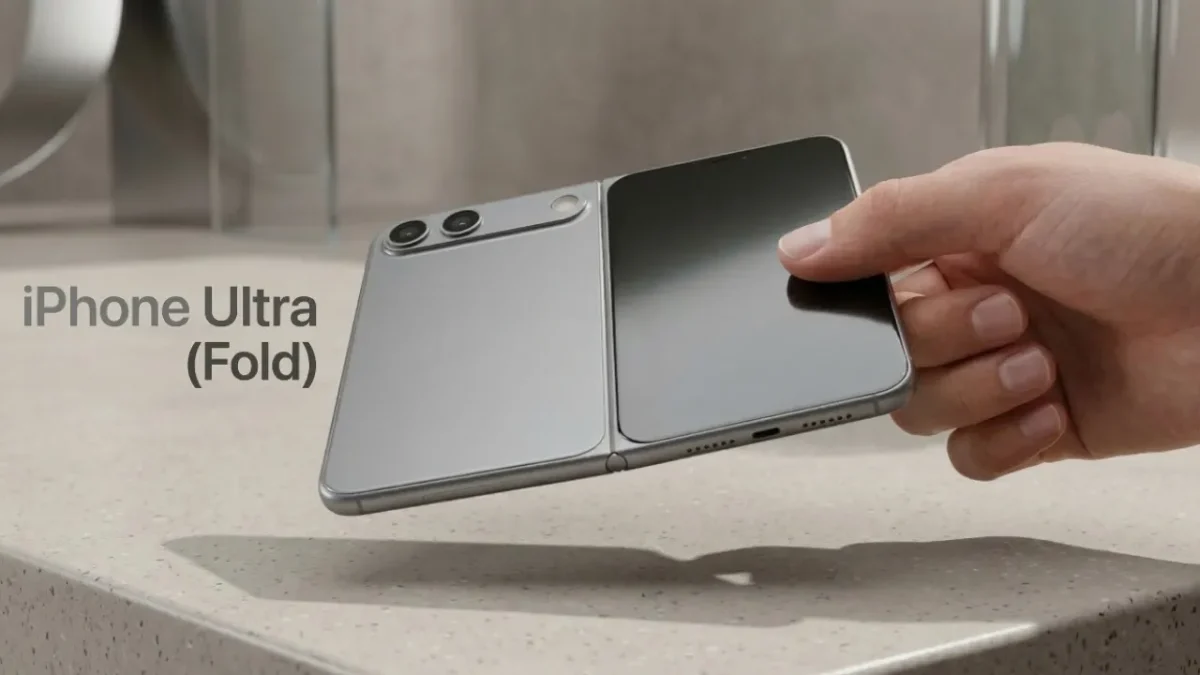
The unexpected button that could save the foldable iPhone Ultra
Apple is preparing to enter the foldable device market with an approach that, at first glance, seems to defy the logic of minimalist design. The highly anticipated iPhone Ultra, which promises to be the pinnacle of Cupertino's technological engineering, brings with it a design decision that is raising eyebrows among enthusiasts. At a time when the brand is sacrificing historical components in the name of thickness, the inclusion of a physical button dedicated to camera control emerges as the big bet to ensure that the "super-foldable" is not just a luxury item, but a real productivity tool.
The latest rumors indicate that the iPhone Ultra will be extremely elegant, presenting itself as an incredibly thin device. When unfolded, this model will be even more elegant than the iPhone Air, a device that already focuses primarily on aesthetics. However, this obsession with reduced thickness comes at a high technical cost: the internal space is so limited that Apple has reportedly decided to forgo Face ID on the iPhone Ultra.
With no room to house the sensors needed for the 3D facial recognition we've become accustomed to, the brand had to prioritize components. It is in this scenario of "lack of square footage" within the chassis that the decision to include a physical button becomes so intriguing. Why would Apple occupy precious space with a mechanical button when it is removing essential biometric sensors? The answer lies in the user experience and how we interact with large screens.
Apple justifies the inclusion of this camera control button as a solution to a chronic problem of current foldable phones: the difficulty of one-handed use. Most users of similar devices from Samsung or Huawei feel the need to use both hands to capture a photo or record a video when the screen is fully open, due to the width and balance of the equipment.
With this new button, strategically positioned on the right side (which becomes the top when we hold the phone horizontally to take a picture), Apple wants the user to be able to:
-Zoom smoothly without touching the screen.
-Focus and shoot with tactile pressure, simulating a professional camera.
-Quickly switch between capture modes with gestures on the button surface.
-Maintain a secure grip on the iPhone Ultra, preventing accidental drops when trying to reach virtual controls.
Apple's approach to the foldable format seems so distinct from what currently exists that the market is already reacting even before the official launch. The iPhone Ultra's layout deviates from the established standard, and industry reports suggest that giants like Samsung and Huawei are already adjusting their plans to launch models with similar formats.
Unlike other manufacturers who try to transform the phone into a small tablet without major changes to the physical interface, Apple wants the iPhone Ultra to feel like a natural evolution of the traditional iPhone. The inclusion of this button is the link that allows it to maintain familiarity, even in a radically new format.
The software will dictate the final verdict...Despite the mastery in design and physical ergonomics, the success of this new flagship will not depend solely on buttons or screen thickness. The real test will be adapting iOS to the foldable format. If Apple manages to make apps seamlessly transition between closed and open states, and if the camera control button integrates perfectly with third-party apps, the iPhone Ultra could set the standard for the next decade.
The strategy is clear: while others focus solely on hardware, Apple is designing a way to ensure that, even with a giant screen in your hands, you still have complete control with just a few fingers. It's a bet on practicality that attempts to transform a "confusing" physical extra into the device's biggest selling point.
mundophone



No comments:
Post a Comment