DIGITAL LIFE
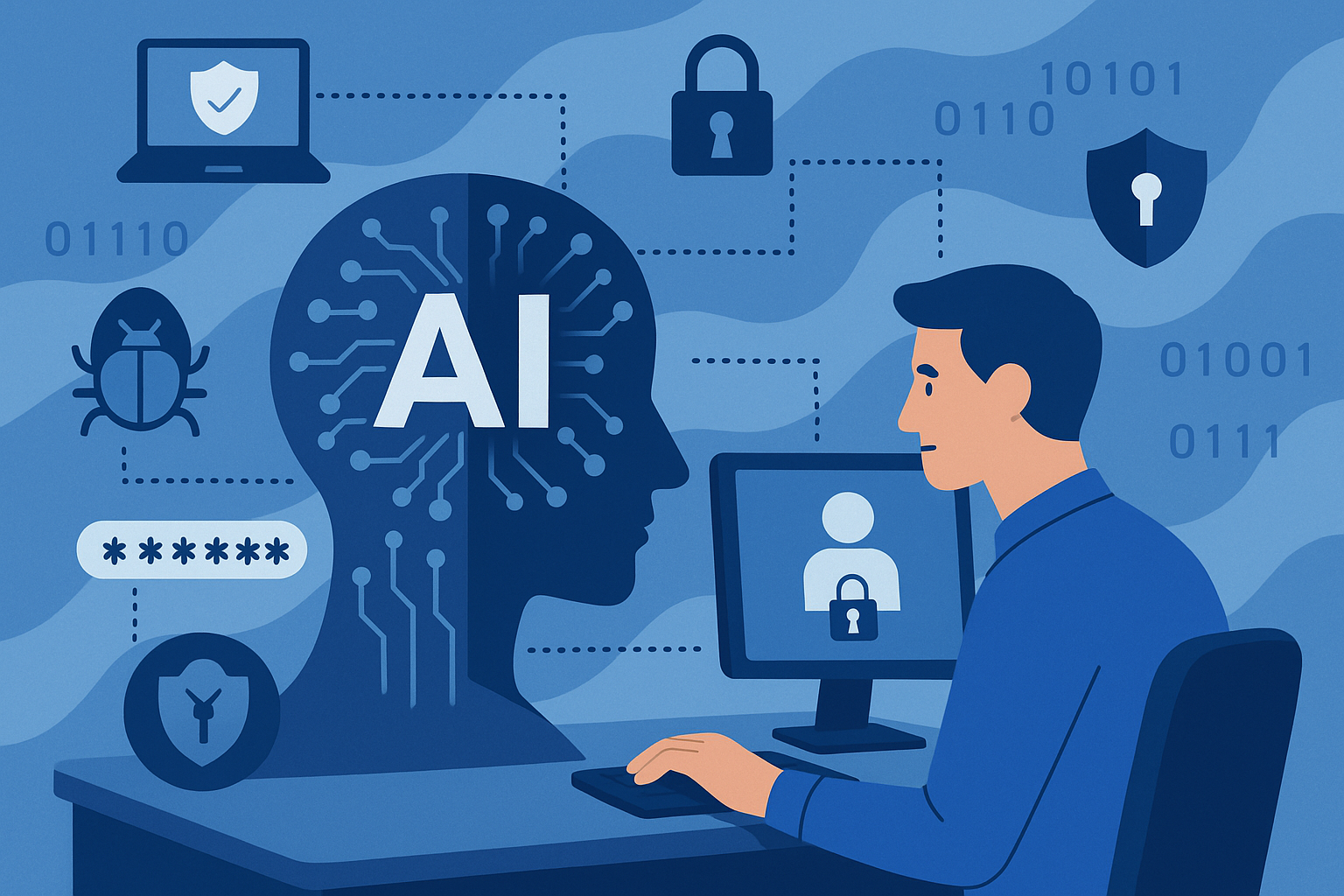
Deepfakes, job losses, opaque models: Exploring the dark side of AI
Artificial intelligence (AI) has become one of the defining technologies of what economists and policymakers describe as the Fourth Industrial Revolution. This is an era in which digital, physical, and biological systems are increasingly intertwined. In practical terms, AI refers to computer systems capable of performing tasks that typically require human intelligence, such as recognizing patterns, learning from data, making predictions, and assisting in complex decisions.
Aside from the generative AI and search tools that are at the forefront of the media and economic hyperbole, analytical and related AI systems already underpin smart manufacturing platforms, digital twins for testing and optimizing equipment performance, adaptive cybersecurity tools, medical diagnostics, and much more. It is unlikely that within a decade or so many occupations will not have been augmented or displaced by AI tools. The potential for productivity, innovation, and economic growth is great.
As with any new technology, however, there are good reasons to look closely at the social and economic impact AI might have. It would be prudent to put safeguards in place urgently given the way in which technologies have often amplified inequality, weakened democratic norms, and introduced new systemic risks in the past.
Recent research in the International Journal of Generative Artificial Intelligence has looked closely at many of the issues that are coming to the fore, such as labor disruption, deepfakes, the opacity of advanced AI models, bias, copyright, privacy, and security issues. Then, there is the issue of whether a superintelligent AI might surpass human abilities and redefine our very existence, perhaps even determining—algorithmically or through some kind of awareness—that we as a species are redundant, or worse, a problem that must be removed.
The researchers suggest that at the geopolitical level, international coordination is a major challenge, not least given the rogue behavior of some so-called state actors. The trajectory that AI takes in this Fourth Industrial Revolution is not fixed, nor is it predictable. We need to work together to ensure that it works for the benefit of humanity and the planet.
The dark side of AI involves severe risks including the manipulation of human behavior, deepfake-driven misinformation, and automated cyberattacks. It threatens privacy, enables biased decision-making, and poses significant societal dangers such as workforce displacement and the potential development of autonomous weapons. These threats raise critical ethical concerns about safety, accountability, and the "black box" nature of AI decision-making.
Key aspects of the "dark side" of AI include(below):
Manipulation and behavioral control: AI can exploit user vulnerabilities and biases, steering behavior for profit or political influence. AI companions can cause social isolation and erode real-world relationship skills.
Deepfakes and fraud: The generation of realistic, fake, audio and video content is used for sophisticated fraud, scams, and spreading disinformation.
Security threats: Hackers use AI to automate attacks, create malware, and identify vulnerabilities in systems. "Hacking-as-a-Service" allows low-skill actors to conduct high-level cyberattacks.
Ethical and bias issues: AI systems can perpetuate or amplify discrimination in hiring, lending, and law enforcement, often due to biased training data.
Workforce disruption: AI presents significant risks to job security and economic stability.
Autonomous systems: The potential for AI to be integrated into weapons raises risks of uncontrollable, lethal autonomous systems.
Privacy infringement: AI systems can track and predict user behavior with extreme accuracy, such as detecting personal relationship status or, in extreme cases, predicting deaths.
"Black Box" problem: The lack of transparency in how AI models make decisions makes it difficult to hold them accountable for harmful outcomes.
Provided by Inderscience


No comments:
Post a Comment