TECH
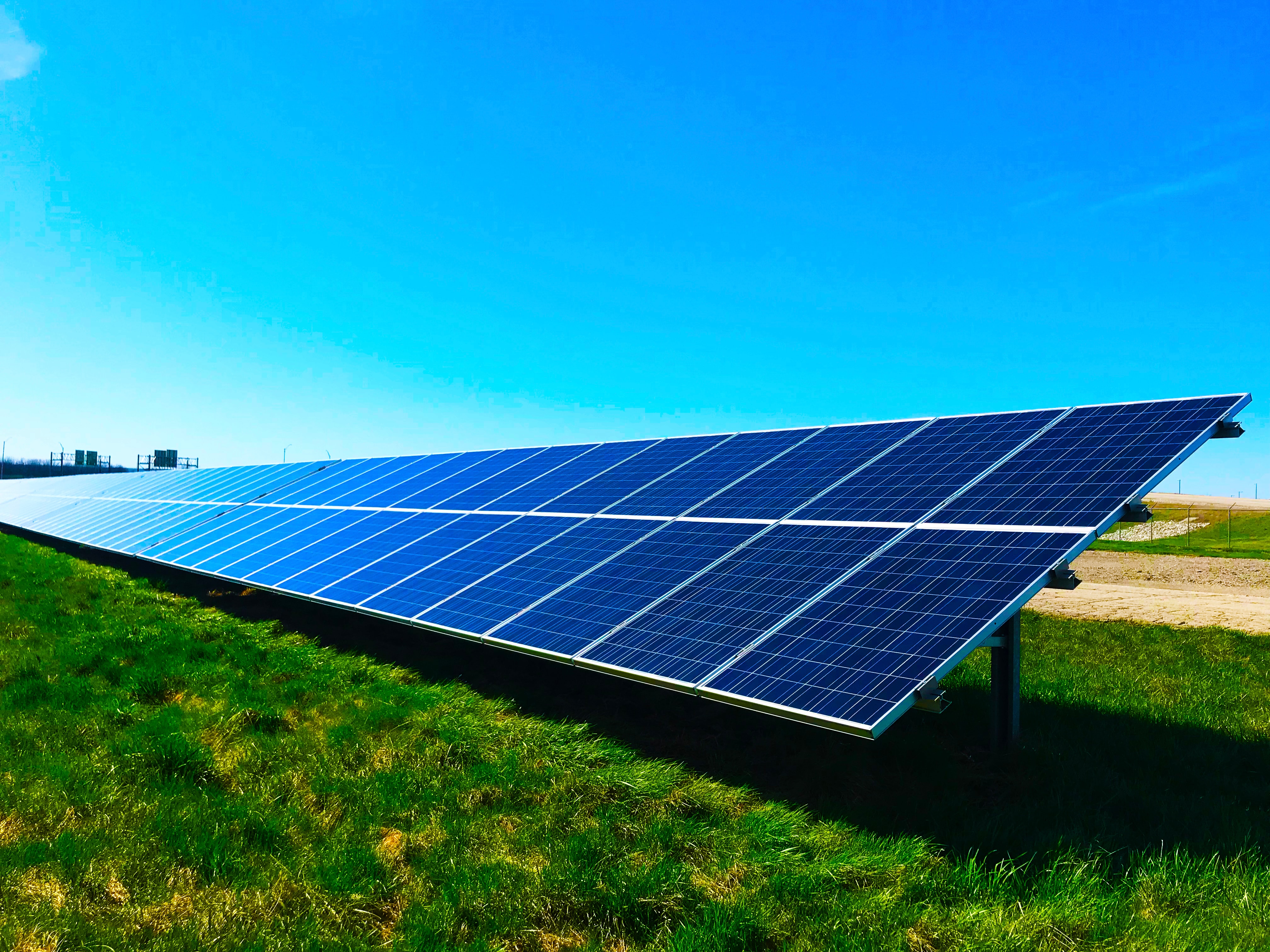
Fragmented permitting slows US clean energy projects, study finds
As states race to build wind and solar projects needed to curb climate change, how governments approve those projects can either speed construction or fuel delays and conflict, according to a new study by researchers at the University of Massachusetts Amherst.
The article, published in the Policy Studies Journal, examines how renewable energy projects in the U.S. are often slowed by complex and fragmented permitting systems that involve multiple state and local authorities, overlapping rules and poorly timed public engagement.
"The punditry … is that if we do permit reform at the federal level, it's going to solve these permitting pipeline issues, but most of these projects are locally permitted," says Juniper Katz, assistant professor of public policy at UMass Amherst and lead author of the study.
She points out that roughly 96% of large renewable energy projects are built on private land, where federal environmental review laws typically do not apply. Most projects, such as onshore wind, solar farms, battery storage and in-state transmission lines, are approved at the state or local level—not by the federal government.
One review of 53 large wind and solar projects facing organized local opposition between 2008 and 2021, found that nearly half were ultimately canceled, with developers reporting that zoning disputes and local ordinances are the leading cause of multi-year delays.
Developers often must navigate zoning boards, environmental agencies, utility regulators and, in some cases, federal reviews. This creates what Katz and study co-author Natalie Baillargeon, a master's degree candidate at UMass Amherst, describe as a "polycentric" system with multiple centers of authority.
Twelve states leave most decisions to local governments, six place authority at the state level, six split authority between state and local governments, and 26 use a hybrid system that depends on project size or other standards.
Highly centralized systems with minimal procedures tend to move faster but provide fewer opportunities for public input. Systems with extensive procedures and multiple decision-making venues tend to offer more participation but are slower and less predictable.
Katz says it comes down to whether policymakers want to swiftly build out renewable energy infrastructure to combat warming temperatures, or encourage a more deliberate process featuring robust public engagement, layers of approval and potential delays.
"Trade-offs are real," she says. "Communities have to decide what their values are and then have the courage to follow them."
"What's really important is that community engagement starts as early as possible," Baillargeon explains. This lets developers incorporate stakeholder feedback, accelerating the process and sometimes converting a potential denial into an approval with only minor changes.
The study also highlights competing equity claims. Rural communities often argue they bear the land-use and visual impacts of renewable energy while benefits flow elsewhere. At the same time, delays in renewable energy development can prolong pollution exposure in urban and low-income communities located near fossil fuel plants.
Several states have recently overhauled their permitting systems. Massachusetts and New York have contingent approval authority based on the size of the project but with firm timelines and structured public hearings. Illinois imposed uniform state standards while leaving decisions with counties. Michigan allows developers to choose between state and local approval, offering incentives for communities that approve projects locally.
Ultimately, Katz and Baillargeon frame renewable energy permitting as an institutional design problem rather than a simple choice between democracy and speed.
Provided by University of Massachusetts Amherst




No comments:
Post a Comment