TECH
Refractory satellites: a radical proposal to reduce space pollution
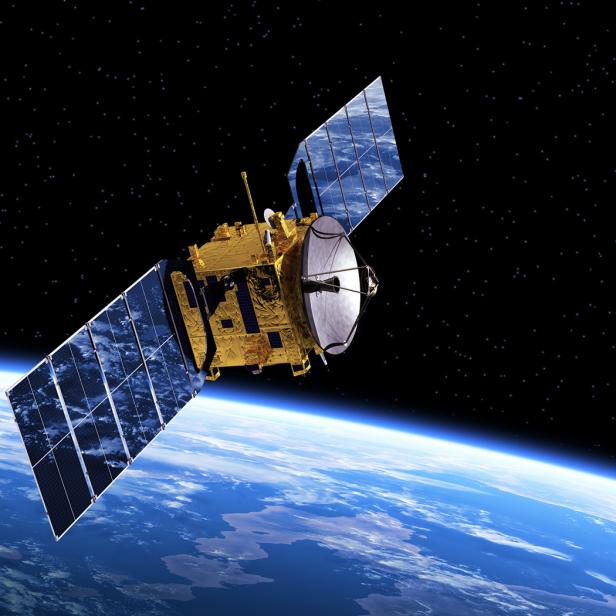
According to a mundophone report, European researchers are advocating a profound change in how satellites are designed, aiming to reduce a little-discussed side effect of the commercial space race: chemical pollution of the Earth's atmosphere. The idea is simple and controversial at the same time. Instead of creating satellites designed to disintegrate upon re-entry into the atmosphere, why not make them resistant enough to survive the fall?
Today, thousands of satellites reach the end of their useful life every year and are deliberately launched on re-entry trajectories. As they burn up in the atmosphere, they fragment completely, preventing the formation of space debris in orbit and reducing the risk of debris hitting the ground. This concept, known as design for demise, has become standard in the space industry.
However, with the increasing number of satellites, this practice has come to have a significant environmental cost.
When satellites become chemical pollution...As satellites disintegrate during reentry, they release microscopic particles of aluminum oxide into the stratosphere. These compounds catalyze chemical reactions that accelerate the destruction of ozone, a layer essential for protecting Earth from ultraviolet radiation.
A study published in 2024 showed that a typical satellite, weighing about 250 kilograms and composed of approximately 30% aluminum, can generate about 30 kilograms of aluminum oxide nanoparticles when it burns up in the atmosphere. According to the researchers, the increase in the number of reentries contributed to an eightfold increase in the concentration of these harmful oxides over just six years.
It is in this context that engineers at MaiaSpace, a European company linked to the Ariane group, propose a path opposite to that adopted so far.
Making satellites “indestructible”...In a recent article, researchers Antoinette Ott and Christophe Bonnal advocate for the so-called design for non-demise. The proposal is to design satellites capable of withstanding the extreme heat of atmospheric reentry, performing a controlled descent to remote ocean regions, such as isolated areas of the Pacific.
This strategy would drastically reduce the release of chemical particles into the atmosphere, but it raises new dilemmas. More robust satellites would be more expensive, require additional propulsion and fuel systems, and increase the risk, albeit controlled, of debris reaching the Earth's surface.
For the authors, the central question becomes a risk assessment. Is it better to accept a small risk of impact on the ground or to continue accumulating long-term chemical damage in the atmosphere?
The answer is far from consensual, but the debate indicates that space pollution is no longer just an orbital problem. It is beginning to literally enter the planet's climate equation.
mundophone


No comments:
Post a Comment