TECH
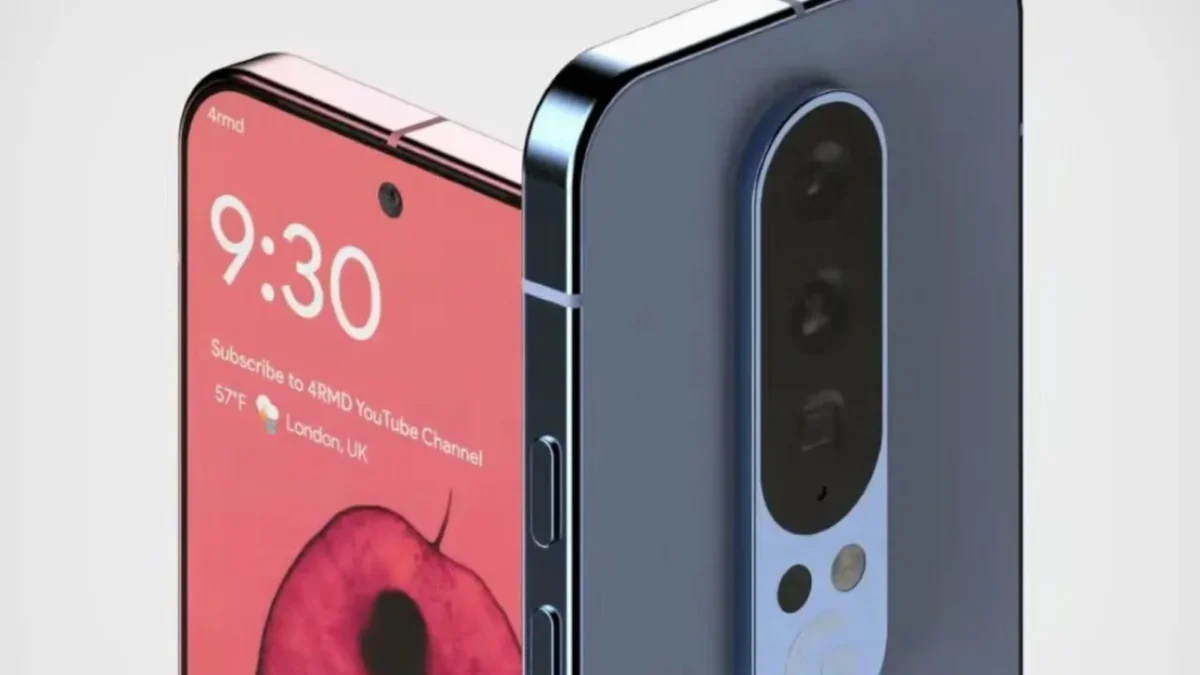
Pixel 10 promises to feature significant improvements to the screen, according to Google
Google is preparing to introduce significant improvements to the screen of its next series of smartphones, the Pixel 10. The promise comes after years of criticism about the negative impact of the brightness regulation technology used in previous models, such as the Pixel 9 and Pixel 9a, which have been associated with symptoms such as headaches, migraines and even blurred vision.
Most modern smartphones, including those from Google, Apple and Samsung, use a technique called PWM dimming (pulse width modulation) to adjust the brightness levels of the screen. This technology consists of extremely fast blinks of the backlight to simulate different brightness intensities, without directly changing the power of the emitted light.
However, when the frequency of this blinking is very low — such as the 240Hz recorded in the current Pixel 9 models — some more sensitive users report visual discomfort. These include symptoms such as eye strain, persistent headaches and, in more extreme cases, migraines or blurred vision.
Confronted with these complaints, Google recently responded through an official spokesperson that the development teams “are aware of and investigating the issue”. Although they have not directly confirmed which devices will benefit from the fixes, they have indicated that “improvements are expected later this year”, which clearly points to the next generation of Pixel smartphones.
The Pixel 10 is expected to introduce a higher PWM frequency, which could significantly reduce the symptoms reported by the most sensitive users. Although the technical details have not yet been revealed, the change would put Google in line with Chinese brands such as Xiaomi and Oppo, which have already implemented technologies with frequencies higher than 1900Hz in their latest models.
The competition has already taken the lead...The evolution of display technology has not been uniform among manufacturers. While the Xiaomi 15 series uses 1920Hz modulation and the Oppo Find X8 Pro goes even further with 2160Hz, Samsung's top-of-the-line Galaxy S25 Ultra remains at 492Hz — still far from its Chinese rivals.
These differences put additional pressure on Google to keep up with advances and ensure that its devices not only offer excellent image quality, but also take care of the well-being of its users.
Users are waiting for concrete answers...With the launch of the Pixel 10 scheduled for later this year, all eyes are on Google to see if the company will, in fact, solve an issue that has affected a significant portion of its user base. Until then, many will continue to turn to alternatives from manufacturers that already offer more eye-health-friendly displays.
If you frequently use your smartphone in low-light environments or have a history of migraines, it's worth keeping an eye on the specs of Google's next model. An improvement in the modulation frequency could make all the difference in your daily experience.
mundophone


No comments:
Post a Comment