DIGITAL LIFE
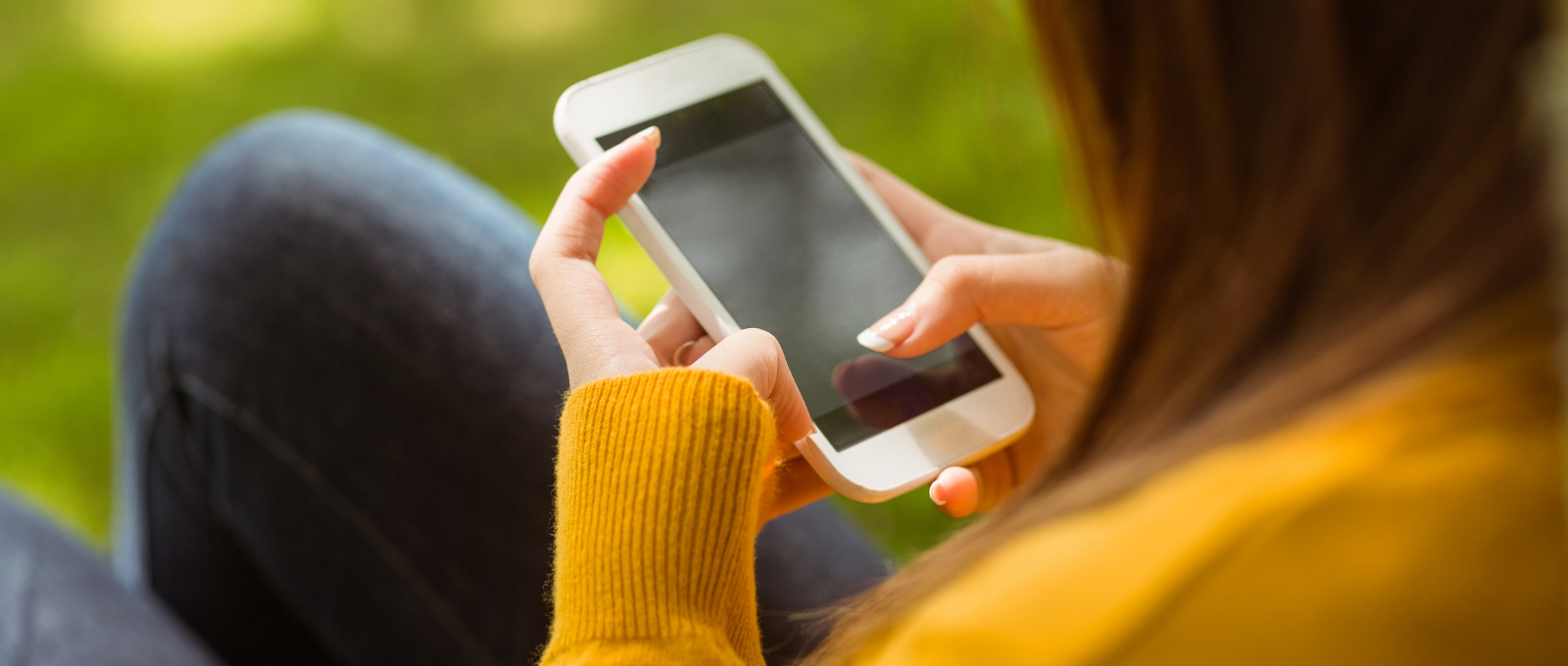
The ban on the use of cell phones in Portuguese schools advances
The measure is part of the proposals in the electoral program and will be implemented from the next school year, if the AD wins the elections scheduled for May 18.
The ban on the use of cell phones in schools is in the AD's electoral program, which will be officially presented later this afternoon by Luís Montenegro. It should be remembered that this school year the Government, led by the PSD and CDS, did not go beyond a recommendation, giving schools the autonomy to decide on its implementation.
Fernando Alexandre, the Minister of Education, had already admitted that a "political change" was being evaluated for the next school year regarding the recommendation to ban cell phone use in the 1st and 2nd cycles, making it effective, to combat the negative impacts on children and young people.
The series Adolescence, which is being shown on Netflix, has increased the debate regarding young people's access to social networks, and intensified warnings about the impact of cell phone use.
When the ranking of schools with the best grades was released, it became known that Escola Básica e Secundária Ferreira da Silva, which in 2024 was the public education establishment with the best average in national exams, implemented in January a ban on the use of mobile phones throughout the premises. It is not known how many schools and school groups have chosen to ban the use of cell phones during recess, especially since the autonomy to make the decision ends up causing a dispersion in the application of the measure.
The “Less Screens, More Life” movement has been warning about the effects of using cell phones at increasingly early ages and advocates that regulating the use of smartphones be mandatory and not just a guideline, given the very low adoption by school administrations. It also requests coverage at least up to the 3rd cycle and has put forward several initiatives, including the request to the General Directorate of Health to adopt recommendations in this area, considering that it is a public health problem.
Several countries have already moved forward with banning the use of cell phones in schools and are imposing higher age limits for accessing social networks, raising the minimum age to 16.
UNESCO recognizes the impact of measures limiting access to smartphones. “Banning mobile phones in schools improves academic outcomes, especially for struggling students,” UNESCO noted in a report published in 2023. However, the UN agency warned that “protecting students from new and innovative technologies could put them at a disadvantage.”
According to UNESCO, less than a quarter of countries have laws or policies banning cell phones in schools.
There are several countries considering limiting children's use of digital technologies. After Australia, even more restrictive strategies are also being evaluated in Spain, while in Brazil the ban was approved in the Senate.
mundophone


No comments:
Post a Comment