TECH
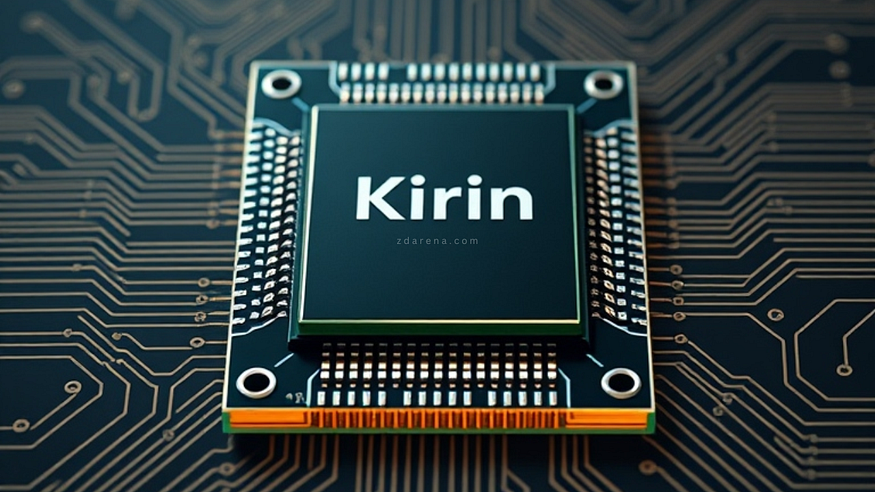
Everything You Need to Know About the Kirin 9020 Chip
The Mate 70 series and the Mate X6 foldable phone are powered by the all-new Kirin 9020 chipset. Huawei’s new 3nm SoC is generating significant buzz in the tech world. As a successor to the Kirin 9000 series, the Kirin 9020 promises substantial improvements in processing power, energy efficiency, and AI capabilities. While official details remain scarce, the tech community has pieced together a compelling picture of this advanced processor through teardowns, benchmarks, and leaks.
CPU and GPU details...The Kirin 9020 boasts a 12-core CPU configuration, a departure from the traditional 8-core design. This configuration is believed to comprise:
2 high-performance cores clocked at 2.5 GHz, likely based on Huawei’s in-house Taishan architecture.
6 mid-cores running at 2.15 GHz, also potentially Taishan-based.
4 energy-efficient cores clocked at 1.6 GHz, possibly ARM Cortex-A510s.
This unique arrangement, combined with hyperthreading capabilities, allows for exceptional multitasking and performance.
The graphical muscle of the Kirin 9020 comes from the Maleoon 920 GPU. This in-house design operates up to 840MHz, a significant upgrade from the Maleoon 910 found in the Kirin 9010. While specifics about the architecture and core count remain elusive, early indications suggest a substantial leap in graphics performance.
1. Performance Gains and Efficiency...Though concrete benchmarks are limited, reports from Huawei’s internal testing indicate a remarkable 40 percent overall performance boost compared to the Kirin 9010. This improvement is attributed to the enhanced CPU and GPU, as well as optimizations in power management.
Interestingly, the Kirin 9020 appears to be more power-efficient than its predecessor, the Kirin 9000s. Tests suggest a 20% reduction in power consumption, achieved through architectural refinements and a more efficient manufacturing process.
2. Connectivity and Features...Early reports suggest that the Kirin 9020 might be the industry’s first 3GPP R18 5G-A SoC. This advanced technology integrates satellite access into 5G systems, promising seamless communication even in remote areas. The chipset also likely includes a dedicated satellite module for enhanced connectivity.
3. A Unique Design...Teardowns of devices powered by the Kirin 9020 reveal a larger and thicker carrier board compared to previous Kirin chips. This suggests a more complex design and potentially the integration of additional components, such as the rumored satellite module.
Despite the limited official information, the Kirin 9020 has undeniably made a strong impression. Its unique CPU configuration, powerful GPU, and focus on power efficiency point towards a top-tier chipset capable of delivering exceptional performance. The potential inclusion of advanced 5G-A technology and satellite connectivity further solidifies its position as a cutting-edge processor.
More information...The previous generation Kirin 9010 chip offered a 1+3+4 physical core configuration, where only the high and medium cores had multithreading support, which ultimately gave a 2+6+4 logical thread configuration. It is logical to assume that the new Kirin 9020 will have a similar core design. It is also believed that the new Kirin chip will use HiSilicon Taishan CPU cores for the two older clusters, instead of Arm cores. At the same time, the four small cores are most likely Arm Cortex-A510, like the previous chips of the Kirin 9000 series. The clock speed of the most powerful core is 2.5 GHz, which is quite modest for a modern flagship chip.
The Kirin 9020 also features a Maleoon 920 GPU clocked at up to 840 MHz. For comparison, the Maleoon 910 in the Kirin 9010 processor clocks at up to 750 MHz. There is no information about the architecture of the new GPU and the number of computing units. According to Huawei's internal tests, the Kirin 9020 is generally up to 40% faster than its predecessor. According to GSMArena, the regular model of the Huawei Mate 70 smartphone may use the Kirin 9010, while the Kirin 9020 is only offered in the older Mate 70 Pro, Pro+ and RS Ultimate models. The foldable Mate X6 smartphone is also expected to receive a new chipset. However, this is just a guess, as Huawei has not provided any official information on this matter.


No comments:
Post a Comment