DIGITAL LIFE
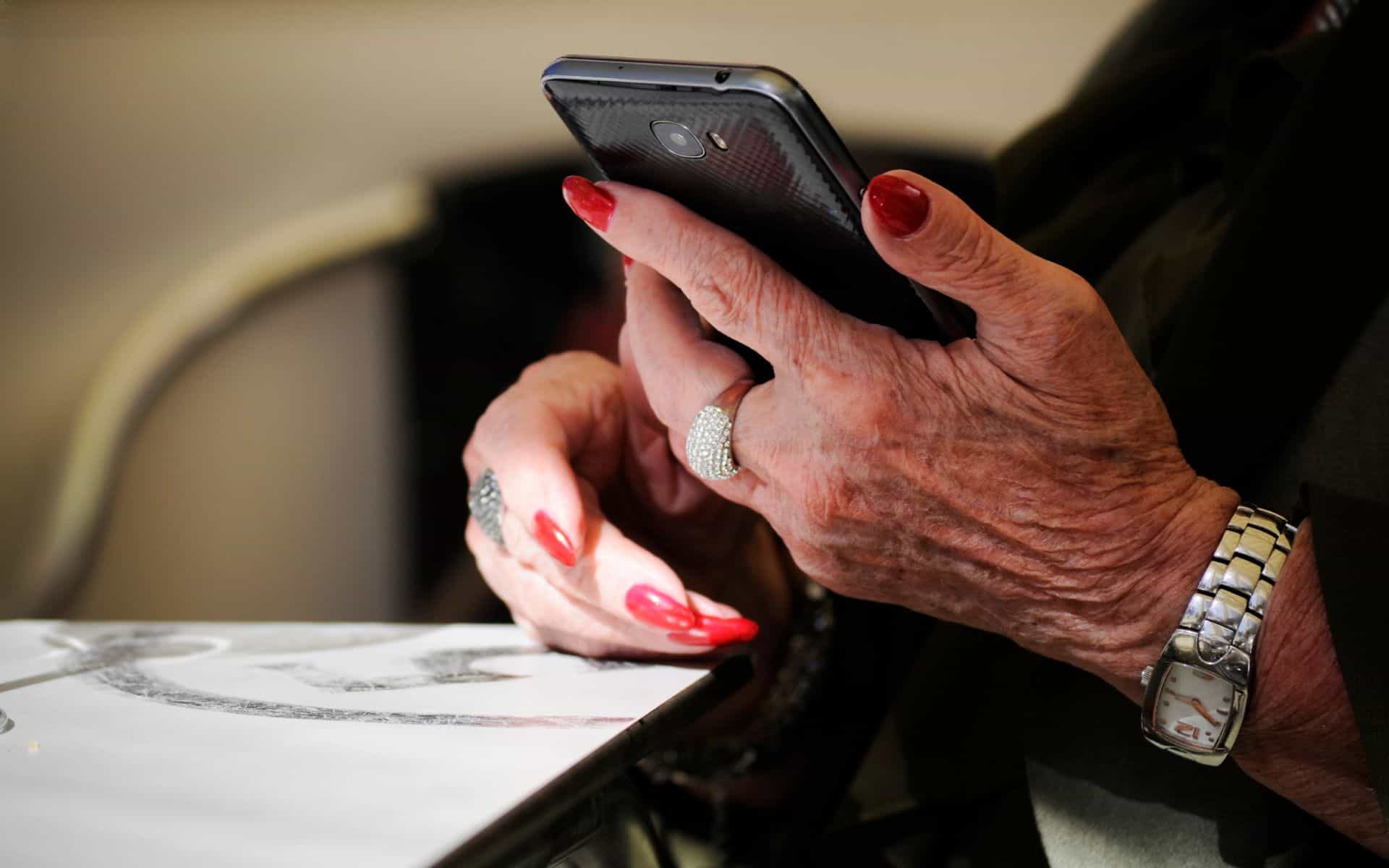
Several studies indicate that cases of dementia have increased around the world in recent years. One of the factors that may explain this scenario is the excessive use of cell phones. But the devices can also be allies in combating the disease. A new app, for example, can diagnose the most common form of dementia in people under 60.
Researchers at the University of California in San Francisco, in the United States, discovered that smartphone tests can help detect frontotemporal dementia in people genetically predisposed to the disease before the first symptoms appear.
This condition mainly affects the brains of people between 45 and 64 years of age.
The big challenge is the difficulty in diagnosing the disease, since the symptoms (behavioral changes, difficulty relating to loved ones and apathy) in younger people can be confused with psychiatric disorders.
According to scientists, around 30% of patients with frontotemporal dementia have a family history of the disease.
In recent years, celebrities such as Bruce Willis and Wendy Williams have been diagnosed with the condition.
The tests...The application was tested between 2019 and 2023 with 360 participants, 209 women and 151 men. The average age of participants was 54 years old. Many of the participants had a genetic predisposition to contract the disease, but had not yet developed symptoms.
The tests were carried out after a partnership with the software company Datacubed Health. They looked at people's ability to plan, organize and control impulses, as the part of the brain that controls these functions can atrophy as the disease progresses. Data collected included vocal recordings, gait, balance and language tests.
Scientists found that tests using the smartphone app accurately identified individuals with dementia and were “more sensitive to early symptoms” than a typical clinical cognitive test.
''When researchers can measure the early stages of decline, they can also measure whether a treatment works to prevent or delay the onset of these devastating conditions. We look forward to further validation of this tool and other approaches to enable FTD clinical research.''...Penny Dacks, Senior Director of Scientific Initiatives, Association for Frontotemporal Degeneration
mundophone


No comments:
Post a Comment