TECH
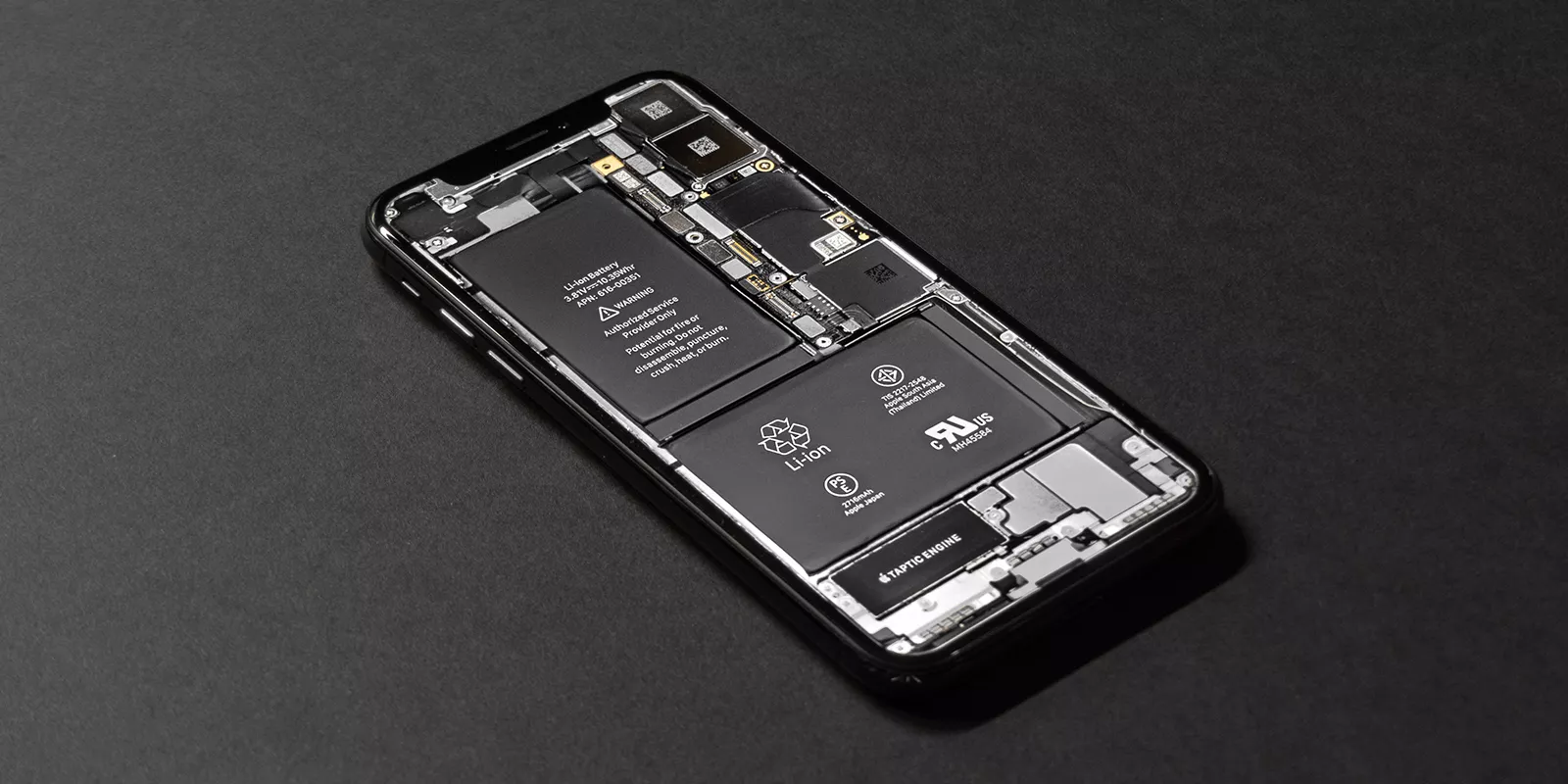
EU wants to introduce mandatory replaceable batteries for gadgets
Even though the EU and its institutions are generally reviled from top to bottom, there are still laws that most people have probably welcomed. A single USB-C charging connector for mobile devices probably bothers few people, many people also praised the fact that Apple will have to allow alternative stores with apps in its ecosystem, although this could also have negative effects (lower security, possibly prices even higher ). Another issue that the European Parliament and the European Council are involved in is the battery bill and, again, one can assume that many people will be more in favor than against it.
For us, this mainly means that, if approved, smartphones and many other mobile devices will have to have replaceable batteries like they used to do years ago. The question is what this will mean, for example, for the water resistance (or waterproofness) of the headphones and what they will have in this exception. If there really is an exception for waterproof devices, then there are two ways. Devices will switch to replaceable batteries, but with the possibility that their durability will be less (and this will probably be adequately reflected in the “stars” in the warranty conditions) or, on the contrary, they will become more durable and the batteries will not be replaceable as they are today. Manufacturers must comply with this requirement within 3.5 years of the law's entry into force (if passed).
But the bill is far from just about phone batteries. It also includes batteries for starter vehicles, traction batteries for everything from scooters and e-bikes to electric cars, and will also cover industrial batteries. All batteries will have a label with QR code information on emissions footprint, capacity, life expectancy, chemical composition and those over 2 kWh will also have a “digital passport” that will add additional information about the battery model and information. specific about usage.
It doesn't stop there either and, for example, batteries for lighter electric vehicles (from scooters to cars) will have to show at least 51% purchase of end-of-life batteries by 2028 and 61% by 2031. In the case of batteries of mobile devices, the target is 45% by the next year of 2023, 63% in 2027 and 73% in 2030. New batteries must also use recycled materials. In the case of cobalt, 16% must come from recycled batteries, for lithium and nickel it is 6% each, and in the case of lead up to 85%. All types of batteries must be bought back free of charge. By the end of 2030, the European Commission also wants to consider a total ban on non-rechargeable batteries.
Text: Milan Šurkala


No comments:
Post a Comment