TCL
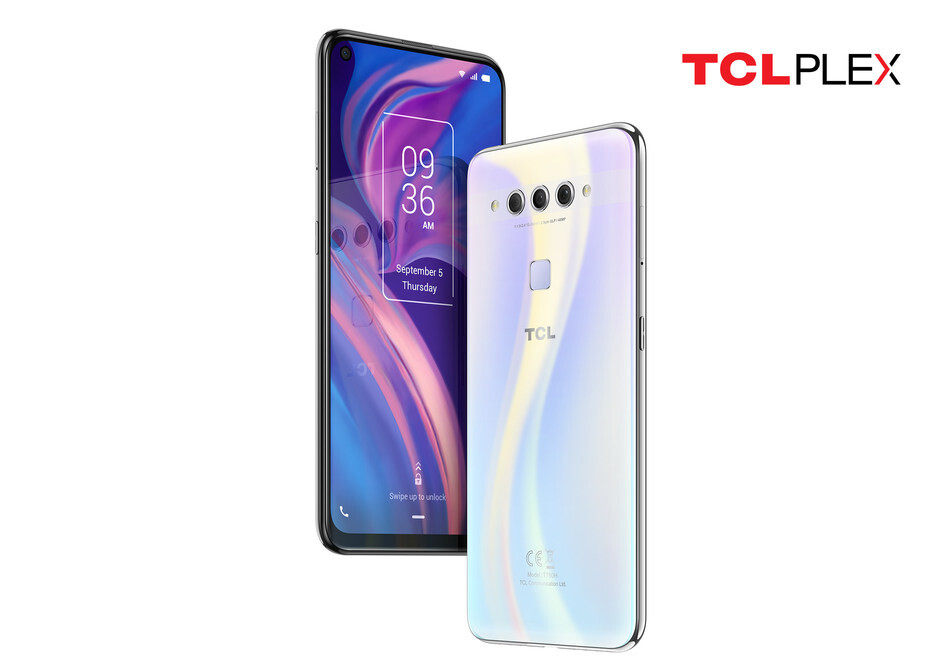
IFA 2019-Company claims to have applied its display know-how to the new PLEX smartphone
TCL, a name perhaps better known for TVs, has unveiled its latest mobile device at IFA. The PLEX is a 6.53-inch FHD + phone with a 24MP punch-hole camera. It has triple rear cameras, one of which is 48MP, and AI enhancements for the same. The PLEX also has T-Cast, an app that allows it full control over certain smart TVs from the same brand.
TCL is a company more often associated with larger-scale displays such as those found in its TVs. However, it also owns the smartphone brands Palm and Alcatel, and may thus have drawn on them to develop a smartphone of its own to launch at IFA 2019.
The PLEX is equipped with TCL's NXTVISION, a new technology to enhance screens of its size. The company claims that it supports a 6-axis color enhancement technique, 2D edge enhancement and the ability to convert SDR image signals to HDR in real-time. These properties are packed in a 6.53-inch FHD + panel developed by TCL itself. This screen has a "Dotch", "which is this way of saying" punch-hole camera ") which confers a 90% screen-to-body ratio on the same.
The TCL PLEX is powered by an SoC identified only as a "Qualcomm Snapdragon processor" to date. It also features T-Cast, which is a universal remote control and smart TV assistant app that integrates the phone with some smart TVs from the same company. It also has a triple AI rear camera, which include a Sony 48MP sensor and a 16MP 123 ° super wide-angle camera with 960fps slow-motion.
The PLEX has a modern-day glass back with a "3D holographic" finish reminiscent of those found in new Honor smartphones. It is available in Obsidian Black or Opal White options. TCL has not yet been released RAM or storage specs for this new phone, but has let it be known that it will have a recommended price of € 329 (US $ 356) on its release to some European markets later this year.
by Deirdre O Donnell




No comments:
Post a Comment