TECH
 SpaceX launches Starlink mission, deploys 60 satélites
11:40 pm ET Update: The Falcon 9 rocket launched. Its first stage landed. And then the second stage coasted for the better part of an hour before making the final burn and deploying its payload of Starlink satellites.
About 1 hour and 3 minutes after the launch, the entire stack of 60 satellites floated away from the Falcon 9's second stage. Slowly-very slowly, it appeared-the 60 satellites began to drift apart. The SpaceX webcast ended without saying whether this deployment was anticipated, and it will probably take some time for the Air Force to begin identifying, and tracking the individual satellites.
In any case, this all made for an interesting evening in space.
Original post: After two launch attempts and a week of downtime, SpaceX has returned its Falcon 9 rocket to the launchpad for the Starlink mission. The 90-minute launch window opens at 10:30 pm ET Thursday (02:30 UTC Friday), and the weather-including those pesky upper-level winds-appear likely to cooperate.
With a mass of 18.5 tons, this will be SpaceX's heaviest launch to date for either the Falcon 9 or Falcon Heavy rocket. The rocket will attempt to boost 60 Starlink satellites, each 227kg, to an altitude of 440km. This is the company's first block of Starlink satellites for what should eventually be a much larger constellation, and they will help SpaceX gauge its performance and conduct tests of several key systems.
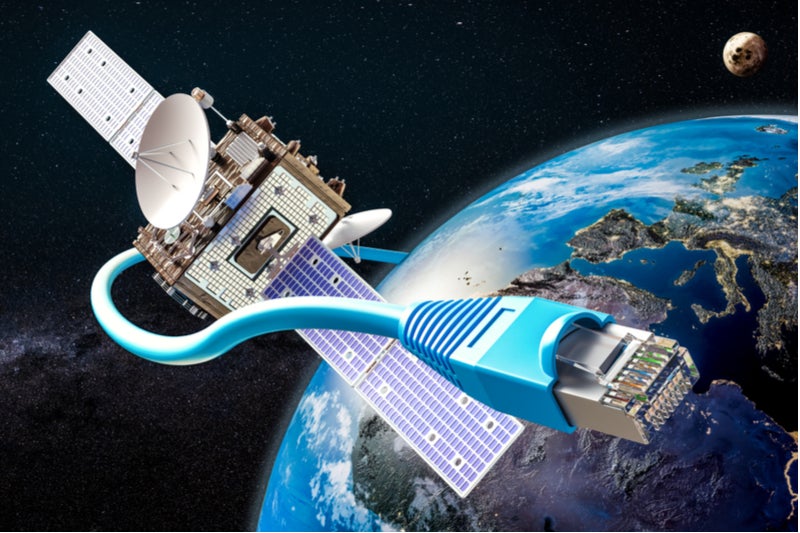
With six more launches, for a total of about 400 satellites, SpaceX founder Elon Musk said the Starlink constellation will reach the point of being able to offer some initial Internet connectivity to ground-based users. A dozen launches would bring "significant" connectivity, he said, and 24 launches would bring near-worldwide service.
Why is SpaceX getting into the space Internet business? Earlier this month, during a call with reporters, Musk said he anticipates Starlink will enable SpaceX's goal of building a self-sustaining city on Mars. Potential launch revenue tops out at about $ 3 billion a year for the company, he said, but capturing just 3 percent of the global Internet market could bring in about $ 30 billion. "We see this as a way for SpaceX to generate revenue that can be used to develop more advanced rockets," he said. Eric Berger




No comments:
Post a Comment