TECH
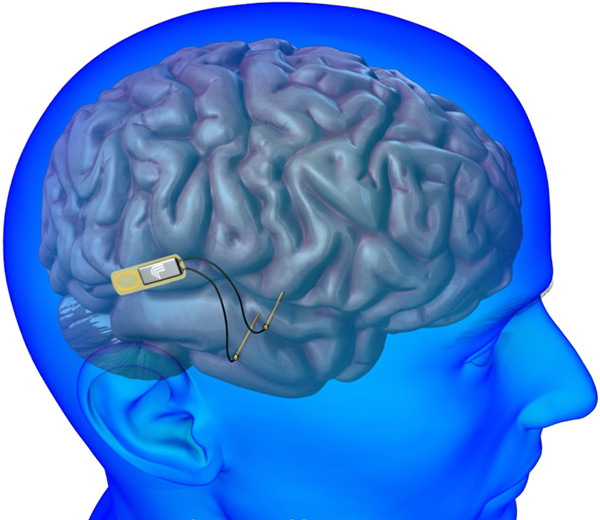 Scientists create interface that allows the brain to "speak" fluently
A team of researchers at the University of California, San Francisco, United States, developed a brain implant capable of reading thoughts and translating them into words.
This is not the first time such a solution is created, but this virtual speech assistant works differently, focusing on the speed and fluidity of the natural speech.
In the article published in the journal Nature, the researchers report that they have developed a "virtual prosthetic voice", a system from which the intentions of vocalization of the brain are translated into intelligent speech, without the need to move a single muscle.
It is recalled that physicist Stephen Hawking, who had ALS, "spoke" through the movement of the muscles of his cheeks, which was detected by an infrared switch integrated in the glasses that later interfaced with the computer.
In this case, the solution works in two stages: the first is to implant an electrode in the brain to pick up electrical signals related to the vocal tract - for example the direction in which the tongue is placed or the movement of the lips - and the second the connection to the computer to simulate the formation of different sounds, which results in a synthesized speech.
"For the first time, this study demonstrates that we can generate complete sentences based on an individual's brain activity," says Edward Chang, one of the researchers. "This is an encouraging initial test that, with the technology that is already within our reach, we can build a device that is clinically viable in patients who have lost their speech. "
According to the researchers, there is also the possibility, but further away, to help people who are silent from birth, including some children with cerebral palsy. Mundophone


No comments:
Post a Comment