TECH
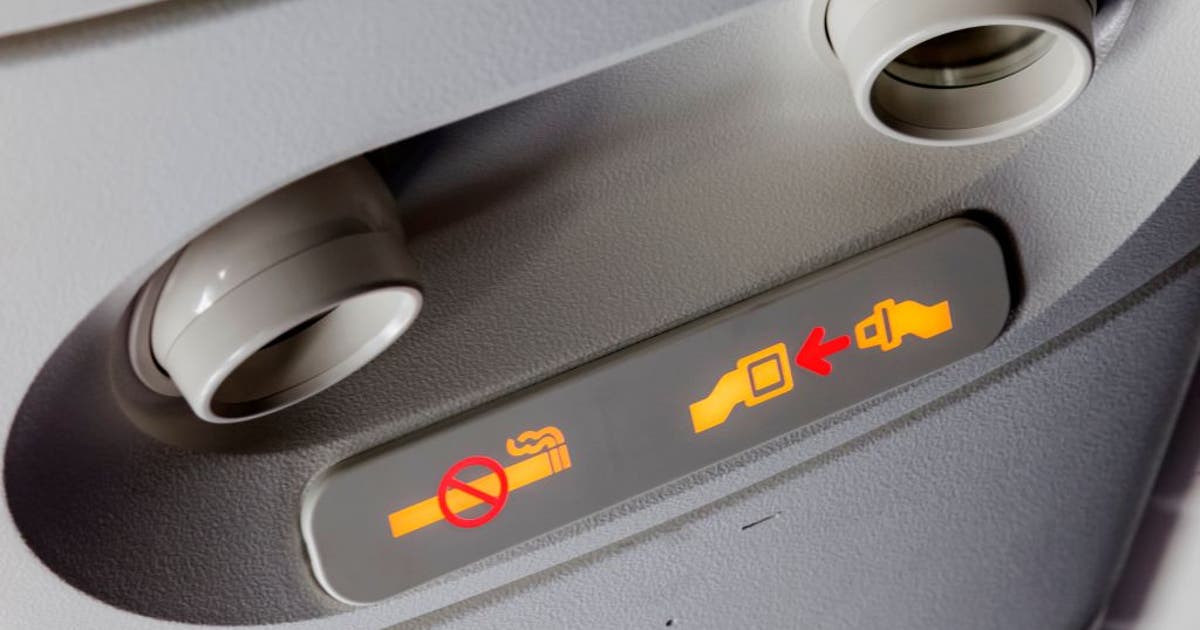
Why flights are getting bumpier—and the best seat to minimize the impact of turbulence
It is something even the most frequent flyers dread: the constant chiming of the seatbelt sign, belongings sliding across the cabin floor, and seats shaking while passing through areas of rough air. And if you’ve noticed that flights have been getting bumpier in recent years, data suggests you’re right, reports the *Daily Mail*.
New research from the University of Reading found that wind shear—which creates instability in the jet stream—has increased by 15% since 1979. Similarly, severe clear-air turbulence on busy flight paths has risen by 55%.
In fact, Delta Air Lines is being sued by a group of passengers following a severe turbulence incident on July 30, 2025, that left 25 people injured.
Meanwhile, on an easyJet flight earlier this year, the pilot was forced to declare an emergency and return the aircraft to the UK after encountering a bout of intense turbulence.
In another incident, ten people were injured on a Cathay Pacific flight from Brisbane to Hong Kong in May after turbulence threw passengers and crew against the plane's ceiling.
But what is causing this rapid increase in bumpy, turbulent flights? Former airline pilot Emma Henderson told the *Daily Mail*: "Like it or not, the main reason is climate change." She explains how, as the atmosphere warms, jet streams can intensify in certain regions due to temperature differences between air masses.
"Stronger wind shear within and around the jet stream creates more clear-air turbulence, which is particularly challenging because it cannot be detected by weather radar," explains the pilot, who now works as a professional speaker. Clear-air turbulence (CAT) is increasing "most notably" at cruising altitude, though she points out that "not every type of turbulence is on the rise."
"We’ve also seen an uptick in storm activity in the UK recently, and that brings the risk of more turbulence as well," Henderson adds. Turbulence could "potentially" become more common in the future as global warming progresses.
"Climate models suggest that if global temperatures continue to rise, clear-air turbulence could become more frequent and intense along some major flight paths, particularly over the North Atlantic and North America," the captain explains.
But that doesn't mean you have to brace for a bumpy ride every time you go on vacation: the aviation industry is adapting.
From improved turbulence forecasting to the use of Electronic Flight Bags (tablets replacing paper manuals) that display real-time turbulence data to pilots, airlines are leveraging technology in various ways to ensure smoother journeys.
Henderson, who has decades of flying experience, explains: "Pilots today have access to far more information than we did just 15 years ago."
Even simple changes—such as more proactive seatbelt policies and ensuring cabin crew take their seats earlier when turbulence is forecast—help make flights smoother and safer.
How a pilot flies the aircraft can also affect the intensity of the bumps felt on board. Measures like changing altitude or making slight course adjustments can lead to a more pleasant flight. "Sometimes, climbing or descending just 2,000 feet allows you to find much more stable air," says Ms. Henderson. The former captain explains that pilots can also "slow down to the aircraft's turbulence penetration speed, which reduces structural loads and often makes the flight feel less jarring." When possible, simply diverting around the area of turbulence is another solution.
"Flying through thunderstorms is typically avoided altogether, as they bring severe turbulence, hail, lightning, and strong vertical air currents," states Ms. Henderson. "Pilots promptly divert, traveling many extra kilometers to go around them." However, clear-air turbulence is harder to avoid "because it is not visible."
According to Henderson, there are several regions prone to intense turbulence, including the North Atlantic jet stream and the Himalayan and Andes mountain ranges. She says passengers shouldn't worry about the increase in turbulence but emphasizes the need to "respect" safety regulations.
"The biggest risk associated with turbulence isn't the aircraft itself, but rather the people inside the cabin who don't have their seatbelts fastened," Ms. Henderson emphasizes. She adds: "Almost all serious injuries caused by turbulence involve passengers or crew members being thrown against the cabin interior because they weren't wearing their seatbelts."
Modern aircraft are designed to withstand forces far greater than those of typical turbulence, and pilots have just as much interest as passengers in avoiding a bumpy flight. Generally speaking, the pilot notes that turbulence is actually just "uncomfortable" rather than "dangerous."
How can passengers minimize the effects of turbulence?
Henderson recommends:
-Keep your seatbelt loosely fastened whenever you are seated, even if the seatbelt sign is off.
-Choose a seat level with the wings—or just ahead of them—if you are particularly nervous, as this is usually the part of the aircraft where you feel the least movement.
-Avoid excessive alcohol consumption if you are prone to motion sickness.
-Stay hydrated.
-Look outside instead of focusing on objects moving inside the cabin.
-Remember that turbulence feels intense because you are in a large, enclosed space, but aircraft are designed to flex. This movement is a sign that they are doing exactly what they were designed to do.
-Listen to the cabin crew. They are acting based on information from the cockpit, rather than simply reacting to the sensation of movement in the passenger cabin.
mundophone




No comments:
Post a Comment