TECH
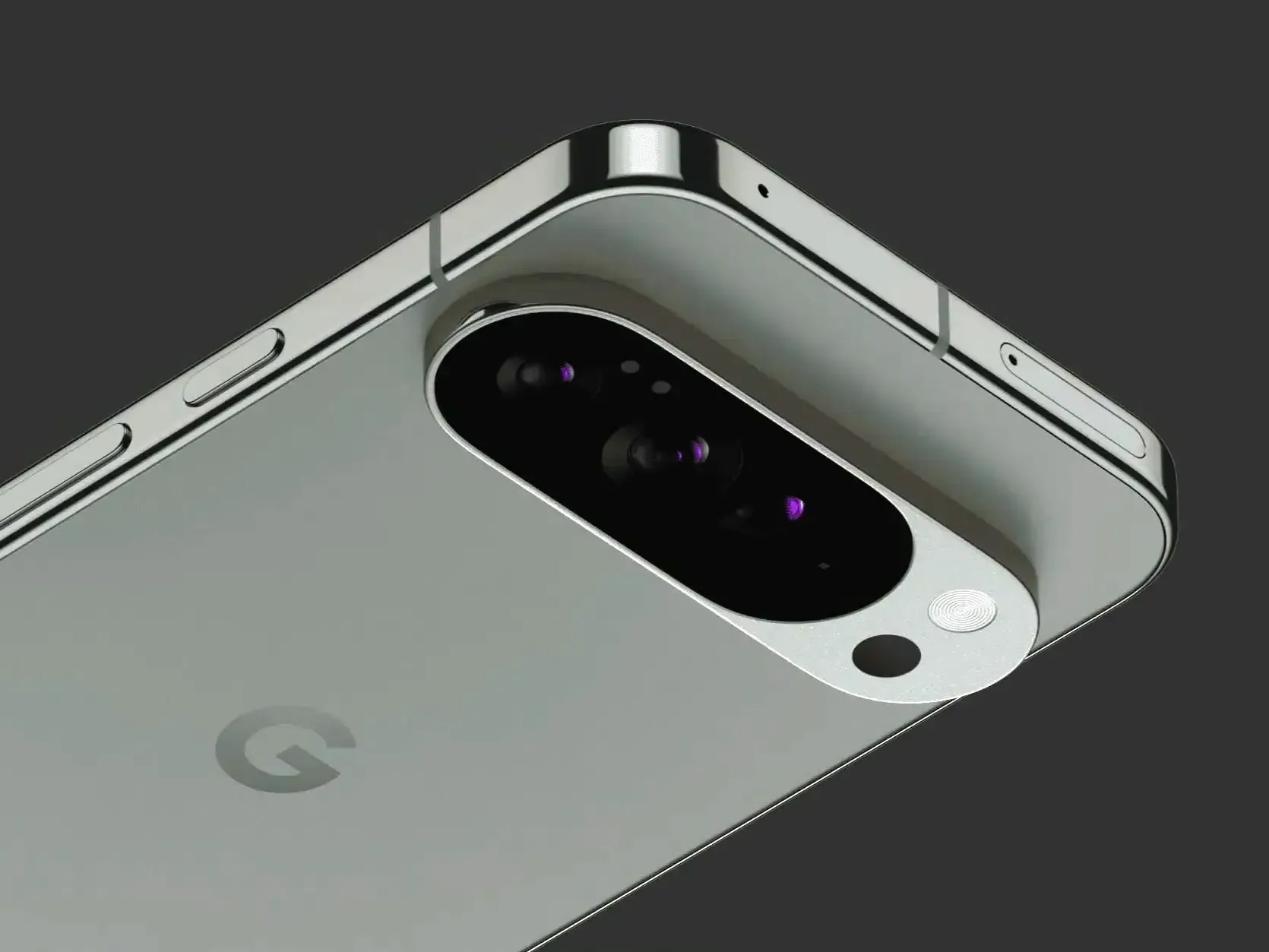
Is your Pixel 10 struggling to keep up? The culprit is the Tensor G5
One of the most critical points I detected in this review was not just the fluidity, but the power consumption. Imagine you're playing the same title as your friend: your Pixel uses lower graphics settings and yet consumes more battery. At the medium graphics level, the Tensor G5 consumes 5.8W, while the Snapdragon uses 3.9W.
This means that, in your hands, the Pixel will heat up faster and battery life will plummet during a gaming session. For a smartphone that presents itself as a technological flagship, this lack of refinement in thermal and energy management is hard to accept.
The 30 fps dilemma in a 120-bit world...For those who enjoy open worlds like Genshin Impact, the experience on the Pixel 10 Pro XL can be disappointing. With the graphics at maximum, you'll get an average of 40 fps. Although it is “playable,” the truth is that, for the same price, the competition delivers a constant 60 fps or even 120 fps in games like Asphalt Legends.
We are talking about a performance difference that is almost double. When you invest in a cell phone today, you want it to be resilient. If in 2026 the Pixel already shows difficulties in maintaining fluidity in current titles, how will it perform with the demands of 2028? Google seems to have designed this hardware to be “sufficient,” but the luxury segment doesn't live on minimum services.
The change to Imagination Technologies' GPU architecture has not yet brought the qualitative leap that was expected. On the contrary, rumors about the future Tensor G6 suggest that Google will continue to prioritize Artificial Intelligence over the raw muscle of the hardware.
This leaves you with a curious scenario: you have the most intelligent software on the planet, with editing and translation tools that seem like magic, but the engine under the screen stutters with complex textures. If your focus is photography and light productivity, the Pixel is still a fantastic choice. But if gaming is part of your life, the technological gap between Tensor and Qualcomm has become too deep to ignore. Google will have to decide if it wants to be just a software company or if it has the courage to fight in the heavyweight championship.
Based on reports from early users, the Pixel 10 series has shown some signs of struggling with performance and stability shortly after release, although many of these issues appear to be linked to software rather than hardware limitations.
Here are the key issues identified after the first few months of use (late 2025):
General performance issues & lag: Some users report significant lag during demanding tasks and general UI stutters, with some describing the device as having "lag" compared to competitors.
App instability & crashing: Widespread reports indicate that apps, particularly Google apps and third-party apps, frequently crash or freeze.
Screen and display glitches: Users have reported serious issues with screen responsiveness and display artifacts, such as "multi-colored, static-like pixel noise" and screen freezing.
Overheating & battery drain: The devices can run warm, which contributes to battery drain, especially when using 5G or heavy applications.
Camera bugs: The camera has shown issues with constant ISO shifts while filming, causing lighting to pulse.
Based on preliminary data and leaks from 2025, the Google Tensor G5, which powers the Pixel 10 line, doesn't "struggle" to run games in the sense of being incapable, but it doesn't reach the same top-of-the-line performance as direct competitors like the Snapdragon 8 Elite/Gen 5.
Here are the main points about the Tensor G5's gaming performance(below):
Switch to TSMC (3nm): The Tensor G5 is manufactured by TSMC, abandoning Samsung, resulting in better energy efficiency and less overheating compared to the Tensor G4.
Improved graphics performance: The chip features a new PowerVR GPU that promises a significant increase in AI and graphics tasks.
Gaming performance (The "But"): Tests indicate that the Tensor G5 delivers great results initially, but may experience a performance drop after a few minutes of intense gameplay. It is capable of running demanding games (such as Genshin Impact) with good quality, but it doesn't maintain peak performance for as long as the Snapdragon 8 Gen 5.
AI improvements: The chip has a strong focus on AI, with 60% more performance in this area, which can help with overall processing within the device.
mundophone


No comments:
Post a Comment