CES 2026
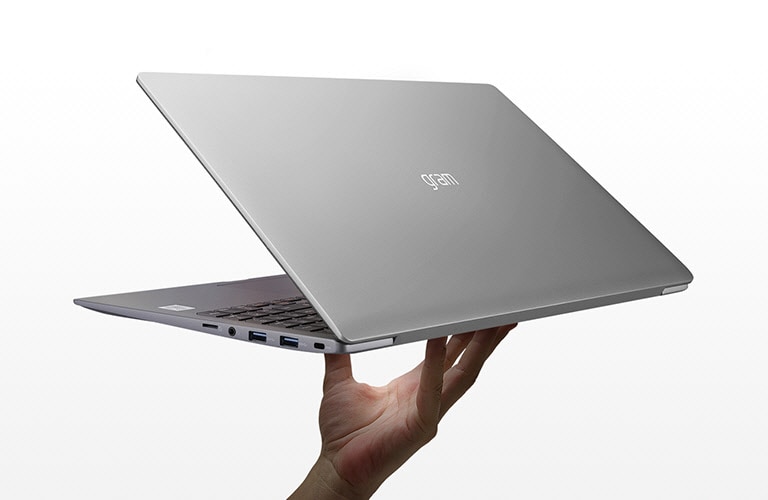
LG gram 2026 line incorporates Aerominum and Dual AI
LG Electronics presented its new LG gram 2026 Line during CES 2026, marking a significant upgrade in the physical construction and processing capabilities of its ultra-portable devices. The new generation stands out for the introduction of a proprietary material called AeroMinum and the implementation of a hybrid artificial intelligence system that combines local and cloud execution.
The central element of the physical renewal of the LG gram 2026 Line is AeroMinum. This material, developed by LG, consists of a high-strength, low-density metallic composition. Its application has allowed for a reduction in the overall weight of the chassis, while reinforcing the structural rigidity of the computers.
According to the technical specifications, the new models meet military-grade durability standards, exhibiting superior resistance to scratches and impacts. Aesthetically, AeroMinum allows for a metallic finish with a technical brushed texture, maintaining the sober look characteristic of the range.
Dual AI Architecture and Local Processing...In the processing domain, LG has implemented a "Dual AI" architecture. This solution segments artificial intelligence tasks to optimize performance and data privacy:
On-Device Processing: Uses the EXAONE 3.5 small-scale language model (sLLM). This mechanism allows for assistance and automation tasks to be performed directly on the hardware, ensuring the operation of productivity tools even without an internet connection.
Copilot+ Integration: The systems are prepared for the Microsoft Copilot+ ecosystem, taking advantage of cloud processing capabilities for more complex tasks.
This hybrid approach ensures that sensitive user data can be processed locally, minimizing the exposure of information on external servers.
The top-of-the-line model, LG gram Pro 17 (17Z90UR), has been configured to handle demanding workloads in the field of visual editing. This device integrates the NVIDIA GeForce RTX 5050 graphics card, equipped with 8GB of GDDR7 memory.
The adoption of the GDDR7 standard represents a technical advancement in video memory bandwidth, allowing for more efficient texture management and high-resolution rendering in an ultra-portable format. The 17-inch screen uses a WQXGA LCD panel with a resolution of 2,560 x 1,600 pixels, maintaining a 16:10 aspect ratio for greater vertical productivity.
LG Gram Pro 16 and Gram Link ecosystem...The LG gram Pro 16 (16Z90U) variant opts for a WQXGA+ OLED panel with a resolution of 2,880 x 1,800 pixels. This screen is characterized by colorimetric accuracy and pure blacks, making it suitable for design and photography professionals. Both Pro models are powered by the latest generation Intel Core Ultra processors.
Interconnectivity between devices has been enhanced through gram Link. This tool acts as a universal hub that allows file transfer and screen mirroring between LG gram computers and devices with different operating systems, including Android, iOS, and webOS (used in LG TVs and monitors).
LG's strategy for 2026 focuses on consolidating extreme portability through materials science and data security via local processing. The introduction of AeroMinum and GDDR7 memory in the Pro models indicates an engineering effort to equip lightweight devices with hardware capabilities usually found in larger devices. The success of this line will depend on the practical integration of these new technologies into professional workflows.
LG's transition to the 2026 line represents a qualitative leap in graphics subsystem bandwidth and hardware durability. While the 2025 version focused on the initial integration of Neural Processing Units (NPUs), the 2026 model decentralizes the execution of language models and adopts next-generation video memory standards.
The Leap to GDDR7...The main difference in rendering performance and visual data processing lies in the adoption of GDDR7 memory in the 2026 model. Unlike the GDDR6 standard present in the previous generation, GDDR7 uses PAM3 (Pulse Amplitude Modulation) signaling, which allows for more data to be transmitted per clock cycle.
Bandwidth: The GDDR7 memory in the LG gram Pro 17 (2026) offers significantly higher bandwidth, reducing latency in 8K video editing tasks and in handling large datasets for local AI models.
Energy Efficiency: Despite the increased performance, GDDR7 offers higher power consumption per bit transferred than GDDR6, a crucial factor in maintaining battery life in a lightweight chassis.
Innovation in Materials Science: AeroMinum vs. Magnesium...While the magnesium alloys used in 2025 allowed LG to achieve record lightness, the new AeroMinum material introduced in 2026 solves the issue of surface integrity. This new metal alloy is less prone to permanent deformation under pressure and has a hardness coefficient that mitigates the appearance of deep scratches, common in ultralight notebooks of past generations.
The LG gram Pro 17 (2026) sets itself apart from its predecessor by transforming the laptop into a more resilient and technically autonomous workstation. The ability to run the EXAONE 3.5 sLLM model locally, coupled with the speed of GDDR7 memory, positions this equipment as a superior tool for professionals who demand data sovereignty and consistent graphics performance without the added weight.
mundophone



No comments:
Post a Comment