TECH
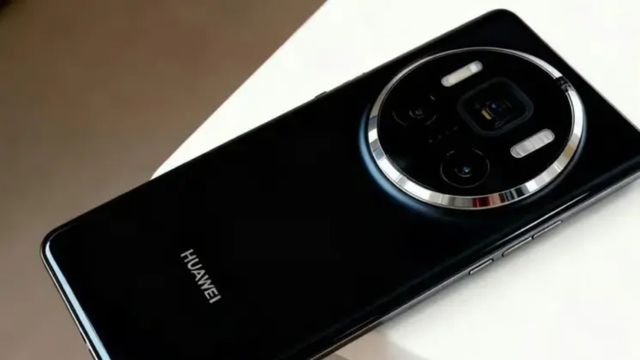
The European Union is redesigning its digital infrastructure to reduce geopolitical risks and strengthen its technological autonomy. The decision involves limiting certain suppliers, strengthening strategic alliances, and preparing the ground for 6G. The move promises to transform the global balance of telecommunications — and it has already begun.
The new generation of mobile networks will be decisive for the competitiveness, security, and technological sovereignty of countries. The European Union, aware of its vulnerability, has adopted a strategy to protect its critical infrastructures and reduce external dependencies considered risky. This change includes new rules, international alliances, and open technologies that aim to prepare the continent for the 6G era without losing participation in the global innovation ecosystem.
The EU has reinforced its cautious stance towards suppliers classified as "high risk," especially Chinese manufacturers like Huawei and ZTE. The concern is not only technical: Chinese laws that require companies to cooperate with the state generate fears about possible undue access to strategic data.
Although it hasn't explicitly declared a veto, the bloc has drastically expanded restrictions. The 5G security toolbox already limits the use of these suppliers in the core of networks, and new rules foreseen in the future Cyber Resilience Act should expand control to areas such as cloud, AI, servers, and defense-related equipment between 2026 and 2027.
“Open Strategic Autonomy”: independence without isolation...The European philosophy does not seek total self-sufficiency, but rather to prevent any country or company from having the power to interrupt the supply of critical technology. This autonomy rests on three pillars:
-Own capabilities: encouraging research, startups, and strengthening Nokia and Ericsson.
-Protection: exclusion of risky suppliers and strengthening cybersecurity.
-Alliances: cooperation with reliable partners, such as the US, Japan, and especially South Korea.
At the same time, the EU wants to abandon closed telecommunications models, betting on technologies such as Open RAN and vRAN, which allow combining equipment from multiple manufacturers without dependence on a single provider.
South Korea: the ideal partner for the 6G race...South Korea already occupies a key position in the development of 6G standards and has technological giants capable of competing with Chinese suppliers. The partnership with Europe gained strength with the Samsung–Vodafone agreement to expand Open RAN networks in Germany, anticipating thousands of sites in the coming years.
These solutions reduce technological lock-in and increase efficiency, as virtualization and AI-based tools optimize energy consumption and performance.
A more distributed network — and increasingly political...The choice of who provides antennas, cloud and AI systems has become a political act. To avoid strategic vulnerabilities, the EU is diversifying its supply chain and investing in programs such as IRIS² and GOVSATCOM, which guarantee its own satellite communications.
The path to 6G will be shaped by technology, diplomacy and regulation. Europe does not want to walk alone — but it wants to carefully choose its travel companions.
mundophone




No comments:
Post a Comment