TECH
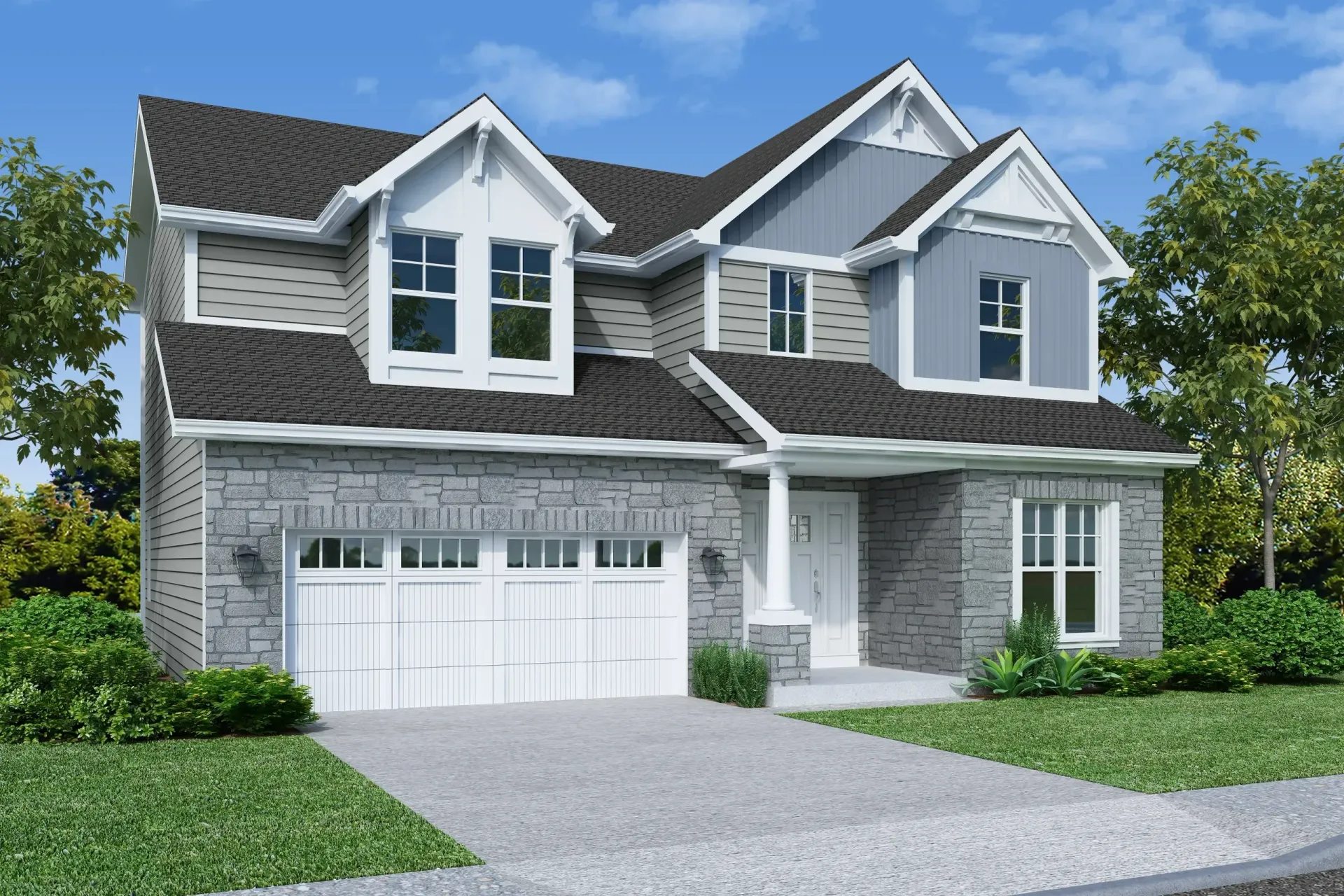
Star power: how energy efficient is your home?
Ever wondered how energy efficient your home is? CSIRO's new Energy Rating Finder puts the power in your hands. It indicates the energy performance of your home's thermal shell—the walls, floors, roof, windows and insulation. These features influence how much energy it takes to keep your home at a comfortable temperature.
It's like an appliance star label, but for your home. If your address doesn't appear in the database, your home may not have an energy rating yet. But don't worry, there are other ways to estimate its efficiency—we'll get to that shortly.
Your home's thermal shell—walls, roof, floors, windows, and insulation—plays a big role in energy performance and comfort.
A win for people and the planet...CSIRO data scientist and platform developer Melissa James, said the goal was to make energy performance information accessible. "The system is easy to use—simply enter an address, and if data is available, you'll receive an energy-efficiency rating out of 10," James said.
A zero-star home offers little protection from external temperatures, while a 10-star home stays comfortable with minimal, if any heating or cooling.
You can also search by postcode or street name to help locate the address you're interested in and view its energy-efficiency rating. James hopes this data sparks curiosity and encourages upgrades.
"We want people to see how their home rates and start thinking about what changes could make a difference," James said. "Energy-efficient homes use less power, cost less to heat and cool and are more comfortable to live in.
"They also produce fewer carbon emissions, which is better for the planet. In addition, energy-efficient homes can help reduce energy infrastructure costs by lowering overall demand," she said.
Powered by a decade of data...The Energy Rating Finder includes headline certificate data from the Nationwide House Energy Rating Scheme (NatHERS) providing a snapshot of your home's energy performance—watch this video to learn more.
"All new homes and many undergoing major renovations must demonstrate that they meet the minimum standard specified under the building regulations (currently seven stars for most states). Most do this using software accredited by NatHERS," James said.
Average ratings have improved dramatically since the standard was established in 2003, from 1.8 stars for older homes to seven stars for most new builds in 2025.
James cautioned that not all properties are included in the database.
"CSIRO has been collecting this data since 2016, so only homes built or renovated after this date and assessed using NatHERS—which accounts for 80% of assessments nationwide, will appear in the system," she said.
NatHERS is also expanding NatHERS assessments to existing homes. Eventually this data may be included in the Energy Rating Finder.
If your property isn't covered, try RapidRate, a CSIRO tool that estimates your home's energy efficiency using basic information.
Together, these resources give Australians more insight into home energy performance than ever before.
Have your say...CSIRO is inviting feedback on the Energy Rating Finder: Tell us what you think. You can easily opt-out if you don't want your property's data shown publicly: Find out more
Amp up your home's energy efficiency...Thinking about improving your home's energy efficiency? James said performance depends on many factors, from insulation and window design to shading and ventilation. Even roof color matters.
So what impacts your home's energy rating? For example, CSIRO's Dr. Mahsan Sadeghi found that dark roofs absorb and retain heat, creating urban heat islands.
While structural changes are easiest during building or renovating, CSIRO offers tips for keeping older houses warm or cool without major work.
And energy efficient homes don't just lower bills and emissions—they can also boost the property's value.
Improving home energy efficiency—it's the bright thing to do.
Energy efficiency ratings:
-A-G or 0-10 Stars: Many systems, such as in the European Union and Australia (NatHERS), use a scale from A (most efficient) to G (least efficient), or from 0 to 10 stars for residences.
-More stars = More savings: A higher rating means the house (or appliance) consumes less energy to maintain comfort, resulting in lower utility bills and a smaller carbon footprint.
-Example House (Australia): A 0-star rated house offers little thermal protection, requiring a lot of energy to heat or cool. A 10-star house remains comfortable year-round with little or no need for mechanical heating or cooling.
Tips to improve energy efficiency:
-Regardless of your current rating, you can increase your home's efficiency with the following measures:
-Improve insulation: Add insulation to walls, floors, ceilings, and roofs to reduce heat loss.
-Seal air leaks: Use caulk and sealing tape to seal gaps around windows, doors, and wall outlets.
-Upgrade to energy-efficient appliances: When buying new appliances, look for those with the highest star rating (or A rating on the European label).
-Install LED lighting: Replace incandescent bulbs with LEDs, which use up to 75% less energy and last much longer.
-Use smart thermostats: Program your heating and cooling to adjust automatically when you are not at home or sleeping.
-Consider renewable energy: Installing solar panels can reduce or eliminate your reliance on traditional energy sources.
Provided by CSIRO




No comments:
Post a Comment