Tuesday, December 31, 2019


DIGITAL LIFE


Apps to Help You Keep Your New Year's Resolutions

For the next few weeks, there will be no escape from magazine covers that champion a "New Year, New You" (or from friends who have vowed to start green juicing). But whether you're the type who makes and breaks resolutions quickly or who has steadily improved your life each year, you're probably resolving to resolve something.
Resolutions are generally the same year in and year out: lose weight, quit smoking, get a better job, save money, and so on. But how do you finally achieve them without putting too much pressure on yourself?
How about an app? We found a few to help you reach some of the perennially most popular resolutions. Because many have a social component, you most likely won't be journeying down the road alone, particularly if you're on a treadmill surrounded by the hordes of people who just joined your gym this month.
If you need one app to rule them all, keep track of your resolution progress with Strides (iOS) or Loop (Android). For something a little more specific, check out the list below.


Be a Better Person
Being a better person is often at the top of resolution lists. But just how to achieve that has baffled philosophers for centuries. The closest you'll get as far as apps go is Grid Diary (iOS), which lets you take stock of and journal your day via helpful prompts to focus on gratitude, family, and friends. The prompts are customizable, so you can set what's important to you. Journey is a good alternative for Android users.


Lose Weight
MyFitnessPal (iOS, Android) makes calorie-tracking easy, with a database of over 11 million foods. If something's not there, enter it manually or scan a UPC code. But its integration with fitness trackers and apps really makes it a winner, giving users an overall picture of calories in, calories out. If you want a more formal program, you'd do well to join the time-tested Weight Watchers (now known as WW) and use its accompanying app, which includes 24/7 support from a coach.


Get Fit
Trainers are expensive. Unless, that is, they're Nike Master Trainers, who offer free, video-guided workouts in the Nike Training Club app (iOS, Android), which covers all fitness levels and offers plenty of variety.
When you don't have enough time for a full workout, try J&J Official 7 Minute Workout (iOS, Android). The app's name is a bit of a misnomer, but in a good way: it offers a range of workouts from seven to 32 minutes each; they were developed by the director of exercise physiology at the Johnson & Johnson Human Performance Institute.


Eat Healthier
If you're concerned about the quality of your food, download Fooducate (iOS, Android), which gives every food in its database a letter grade for nutrition. To find a healthy alternative to favorite splurges, scan a product's bar code, and the app will offer up suggestions.
The only way to know exactly what you're eating is to make it yourself, though. With SparkRecipes (iOS, Android), you can search the database of over 500,000 recipes to find the ones that fit your taste and nutritional needs. For those who aren't skilled in the kitchen, there are video demos and plenty of tips.
Maybe 2020 is the year you go vegan or vegetarian. Plenty of apps can help you make the adjustment in what and where you eat.
For those with disordered eating, just the thought of food-related New Year's resolutions can cause anxiety. Rise Up + Recover (iOS, Android) helps you manage feelings related to food-related issues.


Improve Health
It's a cliche, but your health is everything. It can be overwhelming to get one clear picture of your medical history, though. FollowMyHealth (iOS, Android) is a good place to start for a repository of basic health information, a way to track medical appointments, and a source to share with (and in some cases communicate with) your physicians.
When you need a doctor on a non-emergency basis, Doctor on Demand (iOS, Android) comes to your phone or tablet. You can see a physician immediately or schedule an appointment. Prescriptions are sent to a pharmacy near you. Doctor on Demand accepts insurance but also accommodates the uninsured.


Quit Smoking
Aside from the fact that it's difficult to text and smoke at the same time, your phone can help you put down that cigarette for good. MyQuit Coach (iOS) creates a personalized plan to help you quit smoking. Android users can do the same with Stop Smoking.
For additional motivation in the form of meditation, supplement a stop-smoking app with Quit Smoking With Andrew Johnson (iOS, Android). The Sean Connery–sounding hypnotherapist is soothing and effective.


Get a Better Job
Mid-winter is when you're most likely to feel stuck in a rut. One of the best ways to rid yourself of that feeling is to find a new job. LinkedIn (iOS, Android) lets you manage how employers see you and puts you in touch with colleagues and employers past, present, and future.
You'll want to make sure that your resume is in top shape if you do get a call. Use Resume Star (iOS) to make sure it—and you—look your best on paper. You won't have to worry about format, fonts, or anything except filling in your details. Android users can try Resume Builder.
When your connections and resume snag you an interview, make sure you're prepared by reading up on the interview questions you're likely to be asked and even the scoop on whether the company is a place you want to work. Glassdoor (iOS, Android) has reviews of workplaces from current and past employees, salary ranges, and the lowdown on what it might otherwise take you months at the water cooler to learn.


Spend Less Money and Save More
Budgets might not be your thing. Mint (iOS, Android) does not mind. Plug in some basic banking information, make a few decisions about how much you want to spend on what, and Mint keeps you in line.
With a budget taken care of, what about actually setting aside some savings? Try Digit (iOS, Android). The app analyzes your spending and sets aside what you can afford into savings accounts geared toward your goals.
Having debt can drag you down mentally. Feel free in the new year with a plan to pay it down with Debt Free for iOS. Android users can do the same with Debt Payoff Planner.


Use Time Better
Get a handle on your habits with Productive (iOS). You can watch your progress as you build good behaviors. It's a helpful way not only to see how you spend your days but also to decide how you want to spend them. Smarter Time is a similar product for Android users.
If you feel like productivity management might actually take too much time out of your day, then you'll likely benefit best from a simple but efficient to-do app such as Todoist (iOS, Android).

Self Improvement and Personal Growth
Therapy is one of the most valuable things you can do for yourself. Yet it can also bring up its own issues, such as cost, inconvenience, and worries about the stigma of seeking help. Fortunately, there are many online therapy apps that can help to reduce and eliminate some of these concerns.
Meditation is another way to bring more peace to your life. Even a few minutes a day can make a difference, and there are apps that let you practice wherever you are, even on that crowded train going nowhere fast.

Source: Chandra Steele

LENOVO


Tab M7: Fire 7 alternative with modern design

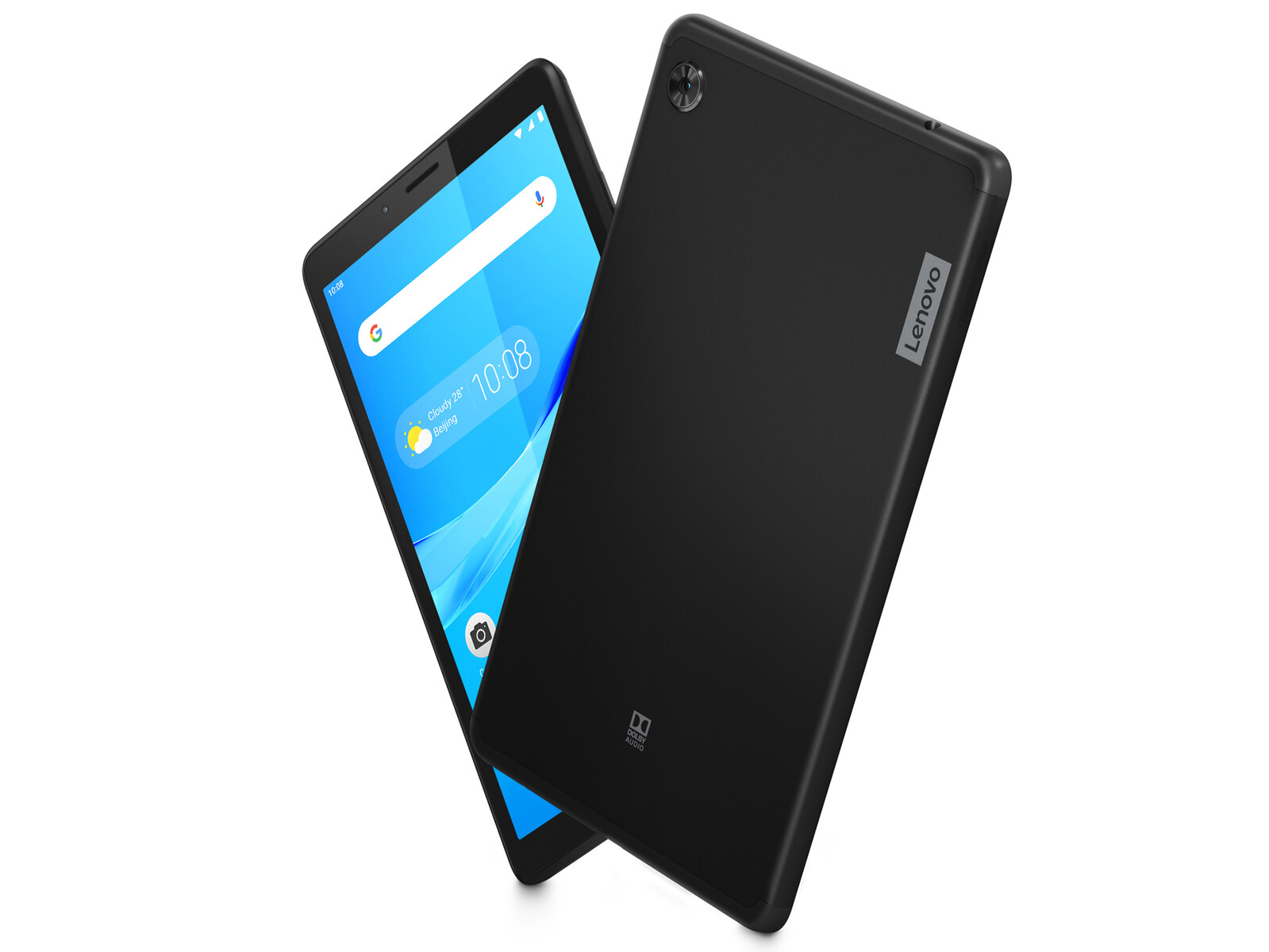
With the Tab M7, Lenovo shows that “low-priced” does not always mean “cheap”. The build quality of the Tab M7 is very good and the modern design makes all other low-priced tablets look obsolete. Unfortunately, the system performance is not very high, because of the intended purpose of the device.
Thanks to the Fire 7, Amazon has been the dominant player in the 7-inch tablet market for a long time. Anyone who picks it up will immediately notice the extremely thick bezels, which seem impractical in everyday use.  Moreover, Amazon’s Fire OS is designed exclusively for Amazon customers, who can use all the Amazon services through the applications.
Enter Lenovo: The aspect ratio and the screen size of the Tab M7 and the Fire 7 are identical. However, the Lenovo tablet has much smaller bezels, which is why it feels more compact in the hand. While the Fire 7 users have to live with a plastic back, the Tab M7 features a metal back. When you put the two tablets side by side, the Tab M7 looks much more premium.
The same applies to the software. Thanks to Android 9 Go edition, the Lenovo Tab M7 does not come with any superfluous bloatware. The only pre-installed application is Lenovo Vantage, which helps free up the RAM. The anemic hardware is the reason why the tablet ships with a cut-down version of Android. Low-end hardware is the main drawback of low-priced Lenovo tablets. 
For a device with such a price tag, the Tab M7 does not achieve good results in the benchmarks. Amongst cheap tablets, the Fire 7 from Amazon provides 50 % more performance than the Tab M7. Users of the Lenovo slate should forgo multitasking, because multitasking might make the system feel very unresponsive. The hardware is only good for those who want to surf the Internet, check email and stream video. 
In our review, we were impressed by both the price tag and the build quality, both of which are ideal for a device intended for use with simple applications. You can get the Amazon Fire 7 for even less, but then you will have to deal with all the bloatware that comes with it.

by Mike Wobker

SMARTSAN


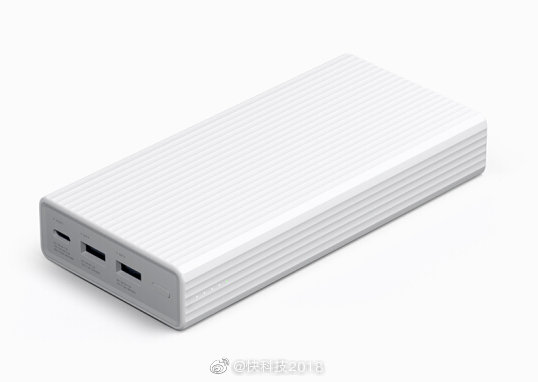
20,0000mAh Nuts Fast Charge Power Bank with 45W output power launched

Most smartphones today come with pretty impressive performance and aesthetic build. But one problem has consistently persisted is the issue of battery life. With increased performance comes an increased strain on the battery regardless of power-saving and low energy consuming features the modern SoC and latest OS bring. Thus, mobile power pack have remained important accessories for most phone users. Smartisan has released a new power bank that brings fast charging.
The Nuts Power bank has a large 20000mAh battery capacity with a maximum charging power of 45W. The outer casing is manufactured from a fire-resistant and flame-retardant PC+ABS material which to a large extent ensures it is safe for use.


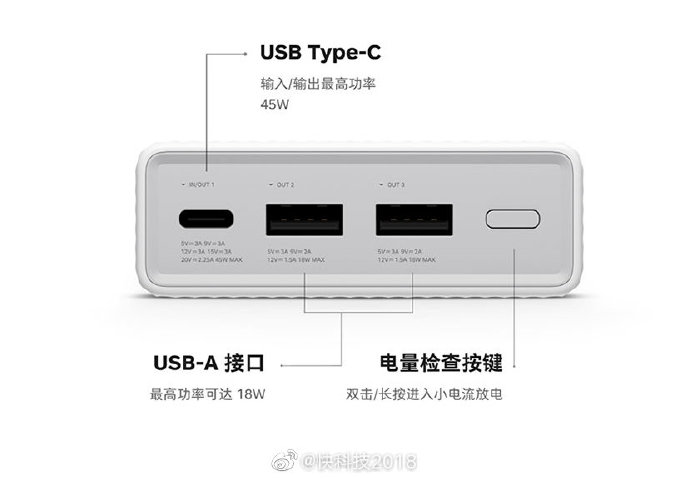
The power bank presents with two USB-A ports and one USB-C interface which has a maximum power output of 45W. The USB-A interfaces have 18W output each bt when all three ports are in use simultaneously, the USB-A outputs 30W max and the USB-A delivers 15W output respectively.
The Nuts Fast charge power bank comes with a price tag of 249 yuan ($35). It is currently available for pre-sale in Jingdong Mall with a deposit of 1 yuan.

Jed John

Monday, December 30, 2019


TECH


QR Code
Here’s A Clever Way To Turn Your Wi-Fi Network Password Into A QR Code For Better Security

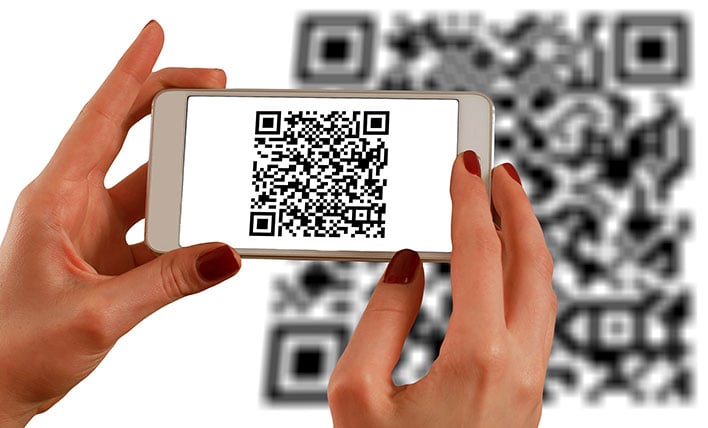
Did you know that you could create and use a QR code to better facilitate using stronger security on your wireless network? A QR code is not in and of itself more secure than manually typing in a passcode, but if you want to use a long string of 63 characters and symbols, you would otherwise need an exceptional memory.
Let's be real, who has time to remember a unique set of 63 characters? For the most part, it is not really feasible. At the same time, using a long passcode can help defend against brute-force attacks. The thing about WPA and even WPA2 is they are vulnerable to password cracking attacks, and the weaker the passcode, the easier it is crack.
That's where using a QR code comes into play. As explained by François Marier, an open source software developer, both Android and iOS now support reading passwords from a QR code, which makes this "finally a practical defense."
There are a couple of things you need. One is qrencode, a Linux utility that uses libqrencode to encode string data in a QR code and then save as a PNG or EPS image, and PWGen, which is a professional-level password generator. Use the latter to generate a strong password, then run the following:

Qrencode Code

You would substitute your own Wi-Fi network name for <SSID> and the password you generated for <PASSWORD>.
"The only pitfall I ran into is that if you include a trailing newline character (for example piping echo "..." into qrencode as opposed to echo -n "...") then it will fail on both iOS and Android," Marier explains.
You can then use the QR code to log into your network on Android and iOS. In Android, go into the Wi-Fi settings and tap the network you want to join, then tap the QR icon and scan the code you created. On iOS devices, just fire up the camera and point it at the QR code. It will then bring up the option of joining the assigned Wi-Fi network.
Use The Web To Generate A Wi-Fi Password And QR Code
If this seems to much of a hassle, there is another way to do essentially the same thing. There are two main steps here. First, use a password generator (like the one mentioned above) to create a long, strong password for your network, and configure it in your router settings as you normally would for a weaker password.

Password QR Code

Next, head over to qifi.org and enter in your network name (SSID), select the type of encryption you're using from the pull-down menu (WPA/WPA2, for example), and enter in the same long security key.
This is rendered in your browser on your local machine, so it's secure. Once you've generated the QR code, you can print it out and hang it somewhere, which is especially useful if you are hosting guests. Just point them to the QR code and they can connect to your network.

by Paul Lilly 

TECH


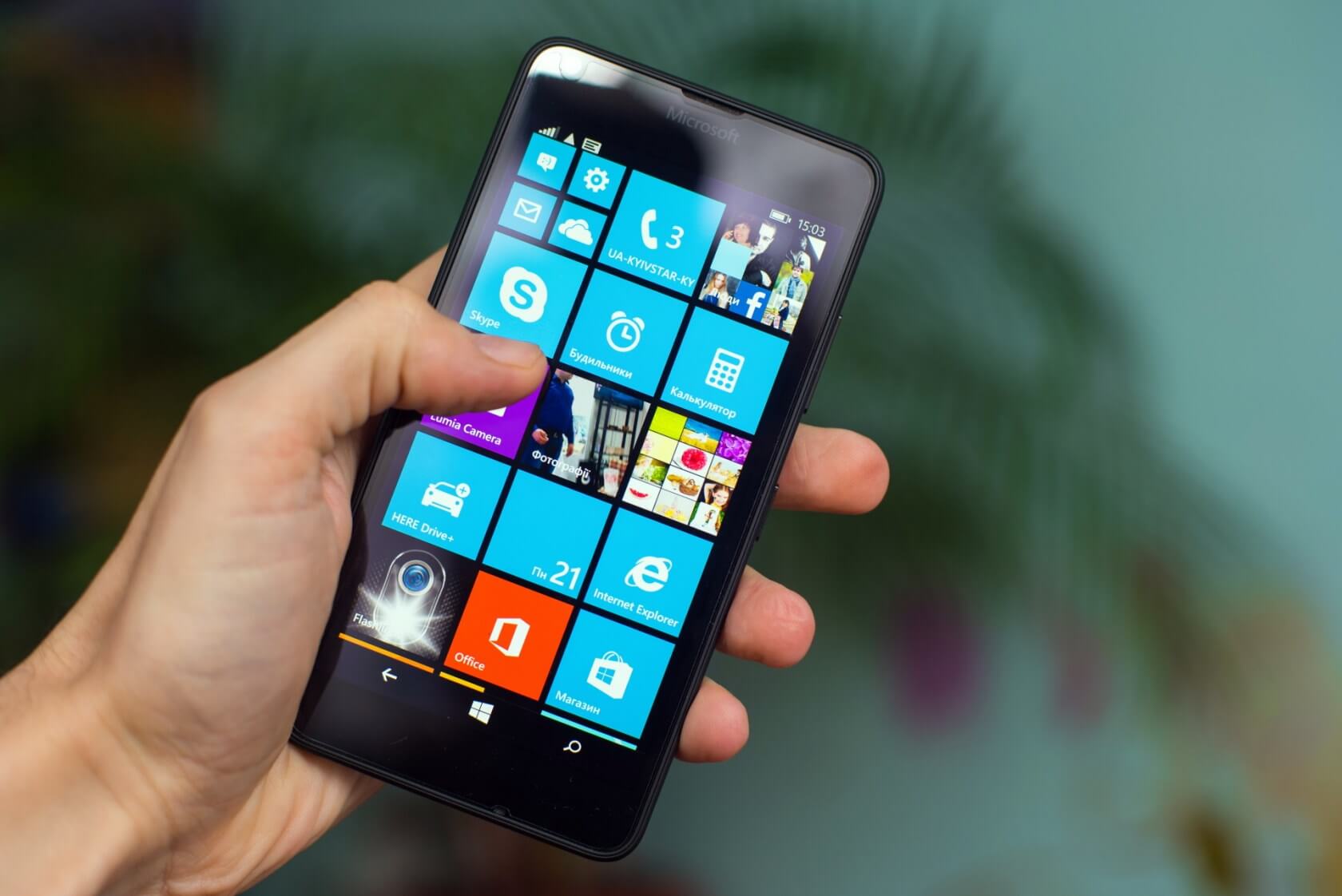
WhatsApp ends official support for Microsoft's ill-fated Windows Phone

Microsoft's Windows Phone is something of a tech legend now. Though it was eventually succeeded by Windows 10 Mobile, the classic Windows Phone OS only survived for a few years before its less-than-positive reception from critics and customers compelled Microsoft to declare its end-of-life. Many app developers have already stopped supporting any remaining Windows Phones, but today, another company is closing the book on the device: Facebook.
The social media platform is officially cutting support for the Windows Phone from its popular messaging app, "WhatsApp." This change goes into effect on December 31, 2019, which is tomorrow. Further, WhatsApp's developers will stop supporting older versions of Android (2.3.7 and earlier) and iOS (iOS 8 and earlier) on February 1, 2020.
Today's news was revealed in an updated support article instead of an official announcement, so it may come as a surprise to some. However, at least for the Windows Phone userbase, the impact of this change will probably be minimal.
Any remaining Windows Phones are quite old now, and their users are likely already mentally prepared for news like this. Of course, we should make it clear that an end to official support does not necessarily mean you'll no longer be able to use an app.
Software developers would certainly prefer it that way, but as long as you're ready for buggy or broken functionality and security risks, you might be able to continue accessing WhatsApp on your aging device for at least a couple months past its end-of-support date.

Cohen Coberly

AMAZON


As robots take over warehousing, workers pushed to adapt

Guess who's getting used to working with robots in their everyday lives? The very same warehouse workers once predicted to be losing their jobs to mechanical replacements.
But doing your job side-by-side with robots isn't easy. According to their makers, the machines should take on the most mundane and physically strenuous tasks. In reality, they're also creating new forms of stress and strain in the form of injuries and the unease of working in close quarters with mobile half-ton devices that direct themselves.
"They weigh a lot," Amazon worker Amanda Taillon said during the pre-Christmas rush at a company warehouse in Connecticut. Nearby, a fleet of 6-foot-tall roving robot shelves zipped around behind a chain-link fence.
Taillon's job is to enter a cage and tame Amazon's wheeled warehouse robots for long enough to pick up a fallen toy or relieve a traffic jam. She straps on a light-up utility belt that works like a superhero's force field, commanding the nearest robots to abruptly halt and the others to slow down or adjust their routes.


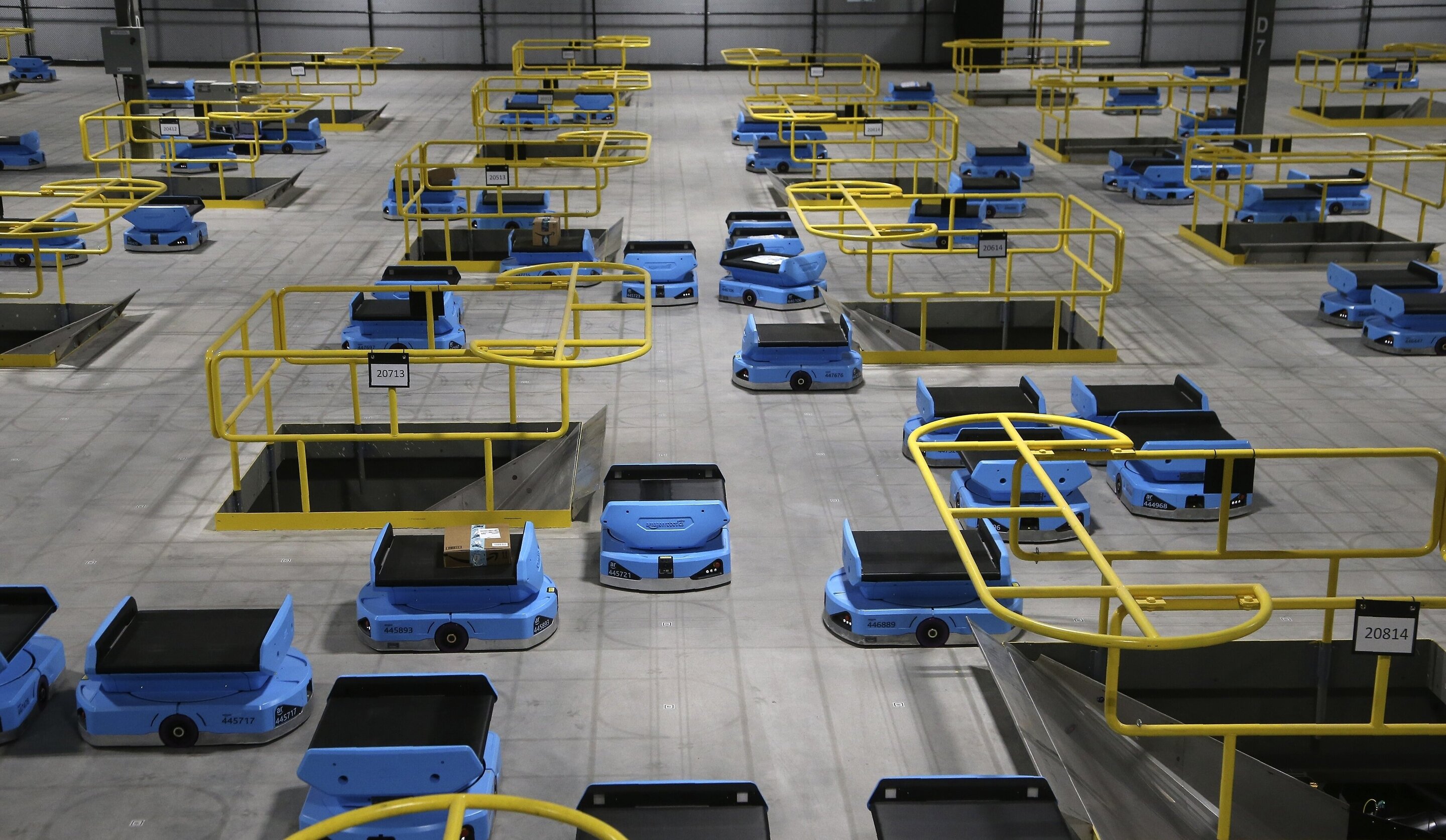
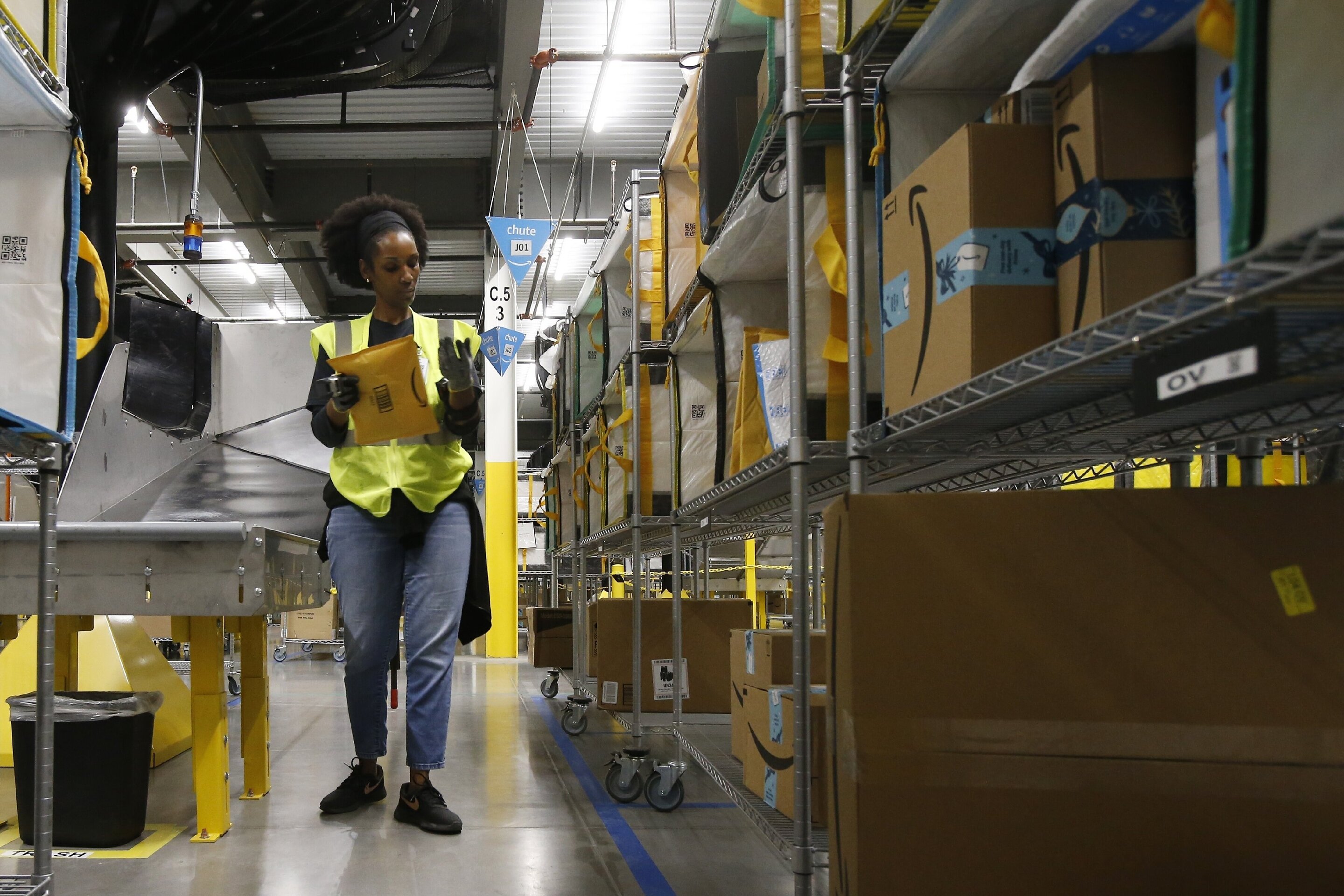
In this Dec. 17, 2019, photo dozens of Amazon robots transport packages from workers to chutes that are organized by zip code, at an Amazon warehouse facility in Goodyear, Ariz. Amazon and its rivals are increasingly requiring warehouse employees to get used to working with robots. The company now has more than 200,000 robotic vehicles it calls "drives" that are moving goods through its delivery-fulfillment centers around the U.S. (AP Photo/Ross D. Franklin)

"When you're out there, and you can hear them moving around, but you can't see them, it's like, 'Where are they going to come from?'," she said. "It's a little nerve-racking at first."
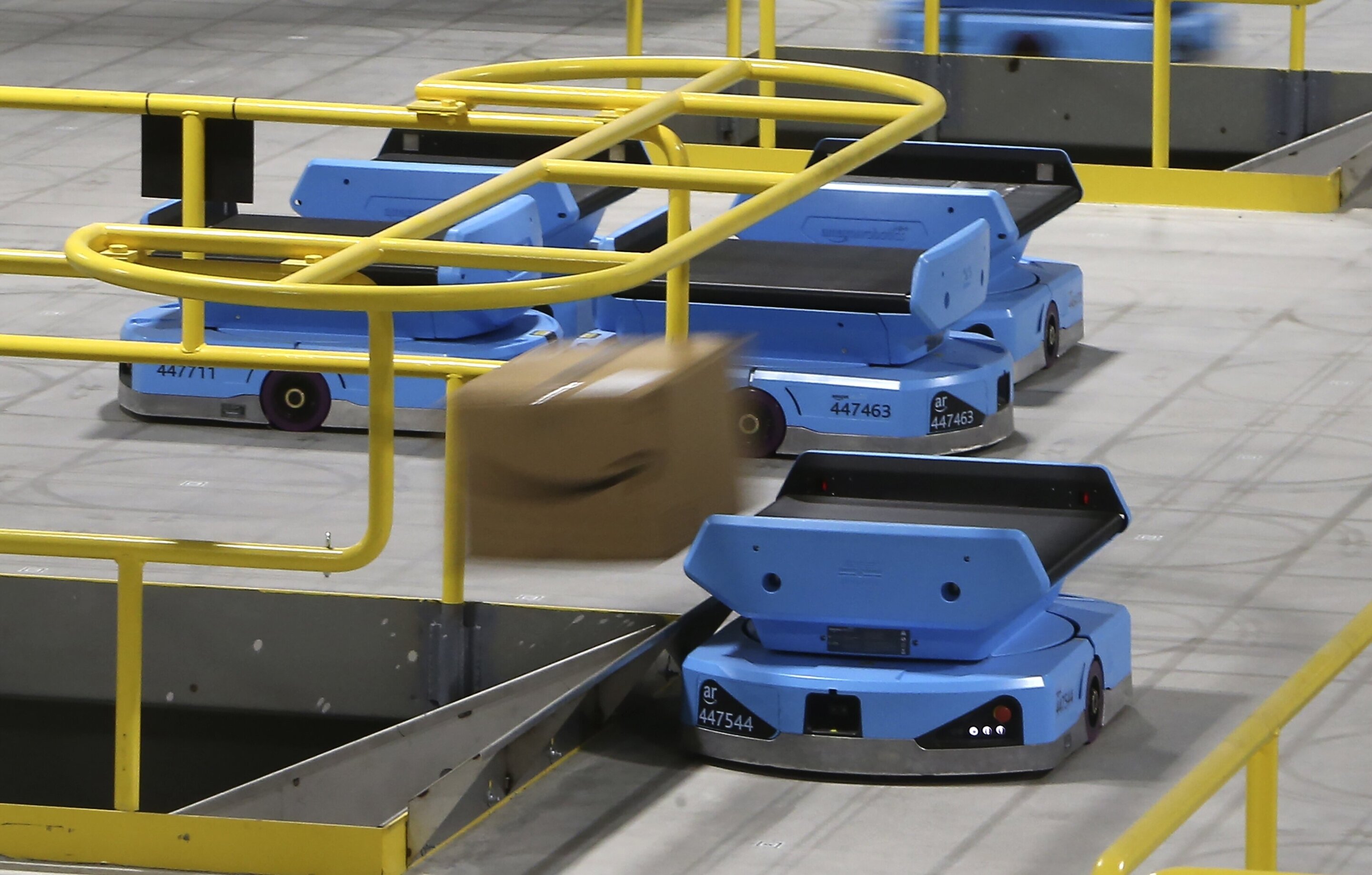
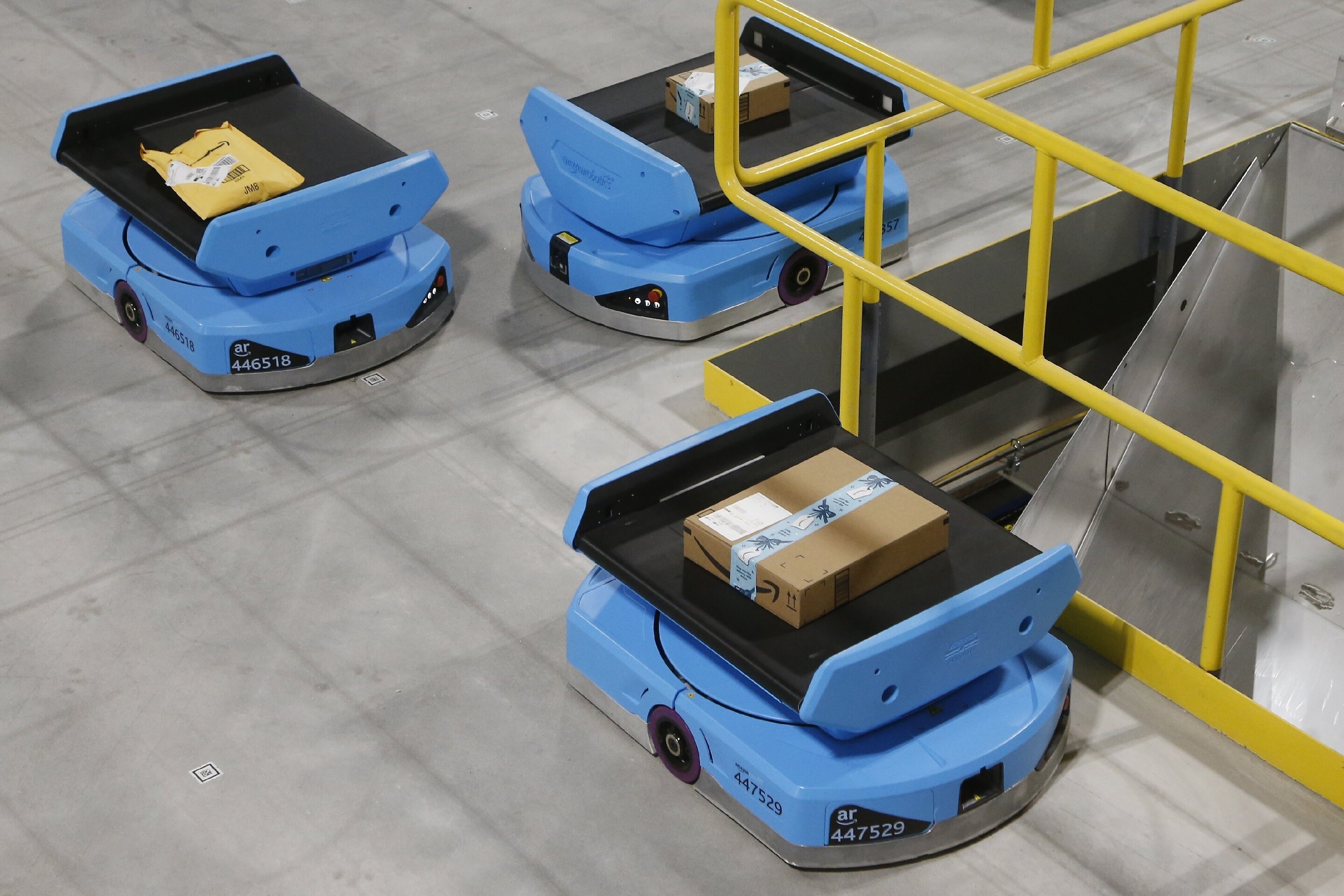
Taillon says she's gotten used to working with robots—something Amazon and its rivals are increasingly requiring warehouse employees to do. Amazon now has more than 200,000 robotic vehicles it calls "drives" that are moving goods through its delivery-fulfillment centers around the U.S. That's double the number it had last year and up from 15,000 units in 2014.
Its rivals have taken notice, and many are adding their own robots in a race to speed up productivity and bring down costs.
Without these fast-moving pods, robotic arms and other forms of warehouse automation, retailers say they wouldn't be able to fulfill consumer demand for packages that can land on doorsteps the day after you order them online.
But while fears that robots will replace human workers haven't come to fruition, there are growing concerns that keeping up with the pace of the latest artificial intelligence technology is taking a toll on human workers' health, safety and morale.


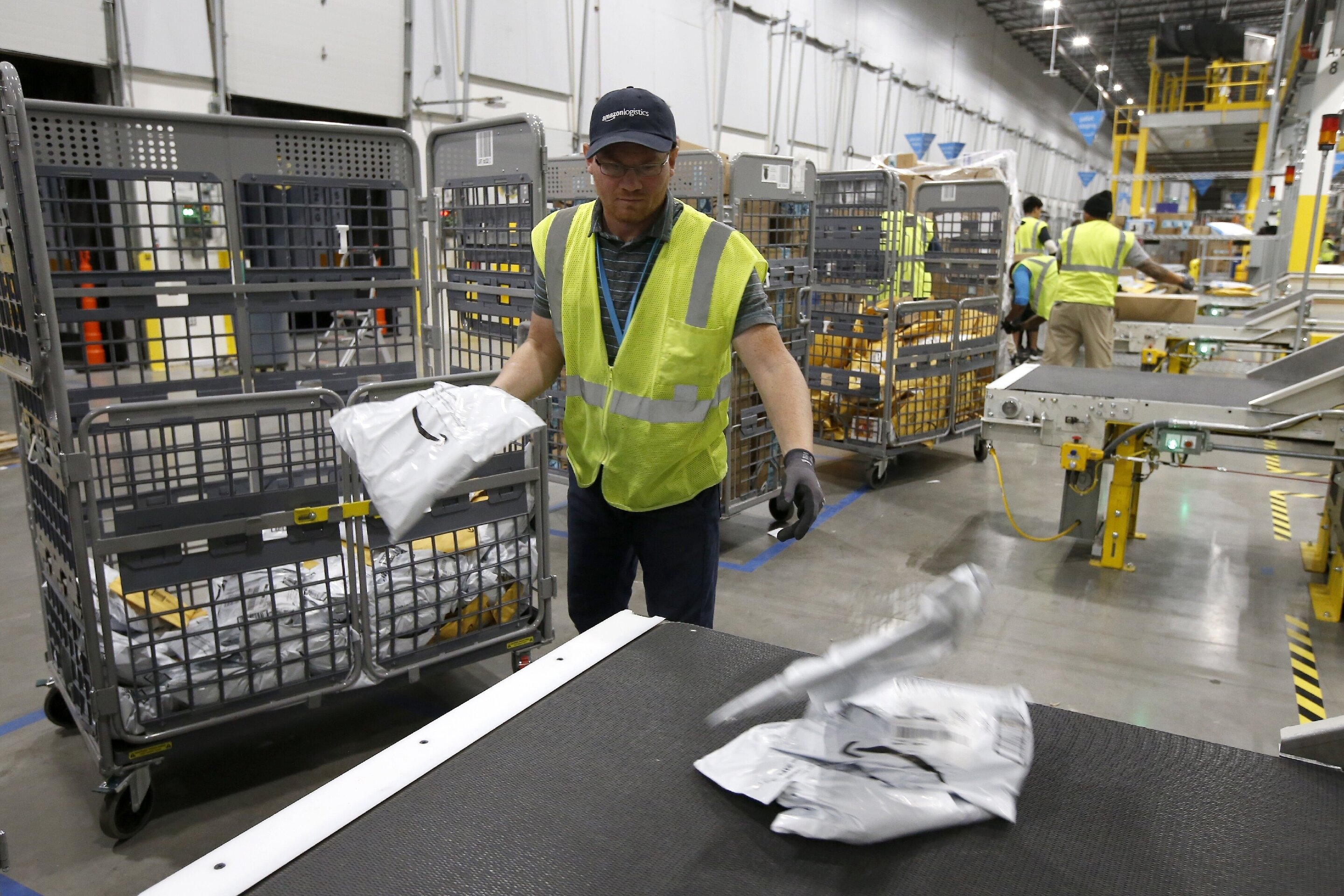
In this Dec. 17, 2019, photo Joseph Salinas places packages onto Amazon robots, transporting packages from workers to chutes that are organized by zip code, at an Amazon warehouse facility in Goodyear, Ariz. Warehouses powered by robotics and AI software are leading to human burnout by adding more work and upping the pressure on workers to speed up their performance, said Beth Gutelius, who studies urban economic development at the University of Illinois at Chicago and has interviewed warehouse operators around the U.S. (AP Photo/Ross D. Franklin)

Warehouses powered by robotics and AI software are leading to human burnout by adding more work and upping the pressure on workers to speed up their performance, said Beth Gutelius, who studies urban economic development at the University of Illinois at Chicago and has interviewed warehouse operators around the U.S.
It's not that workers aren't getting trained on how to work with robots safely. "The problem is it becomes very difficult to do so when the productivity standards are set so high," she said.
Much of the boom in warehouse robotics has its roots in Amazon's $775 million purchase of Massachusetts startup Kiva Systems in 2012. The tech giant re-branded it as Amazon Robotics and transformed it into an in-house laboratory that for seven years has been designing and building Amazon's robot armada.


In this Dec. 17, 2019, photo Amazon robots move along the warehouse floor with packages before finding the proper delivery chute, transporting packages from workers to chutes that are organized by zip code, at an Amazon warehouse facility in Goodyear, Ariz. Amazon and its rivals are increasingly requiring warehouse employees to get used to working with robots. The company now has more than 200,000 robotic vehicles it calls "drives" that are moving goods through its delivery-fulfillment centers around the U.S. (AP Photo/Ross D. Franklin)

Amazon's Kiva purchase "set the tone for all the other retailers to stand up and pay attention," said Jim Liefer, CEO of San Francisco startup Kindred AI, which makes an artificially intelligent robotic arm that grasps and sorts items for retailers such as The Gap.
A rush of venture capital and private sector investment in warehouse robotics spiked to $1.5 billion a year in 2015 and has remained high ever since, said Rian Whitton, a robotics analyst at ABI Research.
Canadian e-commerce company Shopify spent $450 million this fall to buy Massachusetts-based startup 6 River Systems, which makes an autonomous cart nicknamed Chuck that can follow workers around a warehouse. Other mobile robot startups are partnering with delivery giants such as FedEx and DHL or retailers such as Walmart.
Amazon this year bought another warehouse robotics startup, Colorado-based Canvas Technology, which builds wheeled robots guided by computer vision. Such robots would be more fully autonomous than Amazon's current fleet of caged-off vehicles, which have to follow bar codes and previously mapped routes within warehouses.
The tech giant is also still rolling out new models descended from the Kiva line, including the Pegasus, a squarish vehicle with a conveyor belt on top that can be found working the early-morning shift at a warehouse in the Phoenix suburb of Goodyear, Arizona. A crisscrossing fleet of robots carries packaged items across the floor and drops them into chutes based on the zip code of their final destination.
All of this is transforming warehouse work in a way that the head of Amazon Robotics says can "extend human capability" by shifting people to what they are best at: problem-solving, common sense and thinking on their feet.
"The efficiencies we gain from our associates and robotics working together harmoniously—what I like to call a symphony of humans and machines working together—allows us to pass along a lower cost to our customer," said Tye Brady, Amazon Robotics' chief technologist.
Brady said worker safety remains the top priority and ergonomic design is engineered into the systems at the beginning of the design stage. Gutelius, the University of Illinois researcher, said that the aspiration for symphonic human-machine operations is not always working out in practice.
"It sounds quite lovely, but I rarely hear from a worker's perspective that that's what it feels like," she said.
Gutelius co-authored a report published this fall that found new warehouse technology could contribute to wage stagnation, higher turnover and poorer quality work experiences because of the way AI software can monitor and micro-manage workers' behaviors.
A recent journalistic investigation of injury rates at Amazon warehouses from The Center for Investigative Reporting's Reveal found that robotic warehouses reported more injuries than those without.


In this Dec. 17, 2019, photo Tahsha Sydnor stows packages into special containers after Amazon robots deliver separated packages by zip code at an Amazon warehouse facility in Goodyear, Ariz. Amazon and its rivals are increasingly requiring warehouse employees to get used to working with robots. The company now has more than 200,000 robotic vehicles it calls "drives" that are moving goods through its delivery-fulfillment centers around the U.S. (AP Photo/Ross D. Franklin)

Reveal looked at records from 28 Amazon warehouses in 16 states and found that the overall rate of serious injuries was more than double the warehousing industry average. Amazon has countered it's misleading to compare its rate with rivals because of the company's "aggressive stance on recording injuries no matter how big or small."
The Reveal report also found a correlation between robots and safety problems, such as in Tracy, California, where the serious injury rate nearly quadrupled in the four years after robots were introduced.
Melonee Wise, CEO of California-based Fetch Robotics, which sells its autonomous robotic carts to retailers and other clients, credits Amazon's Kiva acquisition for propelling innovation in the industry.
But she said that Amazon's system forces workers to do "un-ergonomic moves" such as reaching up high or crouching down to pick out and stow inventory into the shelves-on-wheels.
"They have robots that live in cages," she said. "Our robots are designed to work safely around people, which is a very large distinction between the two systems."


In this Dec. 17, 2019, photo Steven Smith places packages onto a conveyor prior to Amazon robots transporting packages to chutes that are organized by zip code, at an Amazon warehouse facility in Goodyear, Ariz. (AP Photo/Ross D. Franklin)

Amazon hasn't disclosed how its safety record at robot-powered warehouses compares to those without. But company officials remain optimistic that Amazon workers are adapting to the new technology.
At a visit with a reporter earlier in December to the warehouse in North Haven, Connecticut, Brady was explaining the workings of a powerful robotic arm called a "palletizer" when crates it was stacking on a pallet started tumbling over. Unfazed by the temporary malfunction, he watched as an employee disabled the machine, discovered an apparent structural weakness in the pallet, adjusted the stack of crates and let the robot get back to work.
"His ability to problem-solve that was like this," Brady said, enthusiastically snapping his fingers. "What I love about that is it's humans and machines working together."

by Matt O'brien

QIHOO


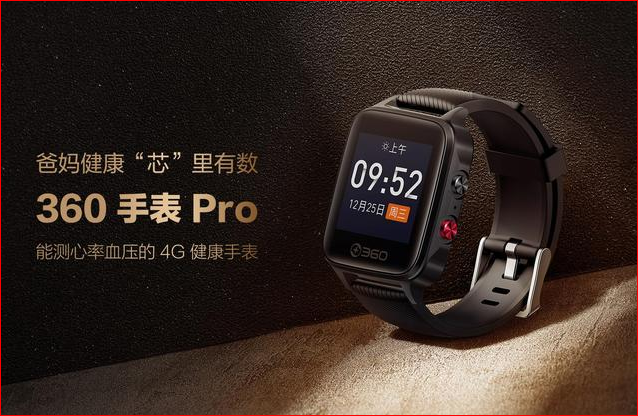
360 Watch Pro with 4G LTE, health monitoring functions for the elderly launched

Qihoo 360 has released a new generation smartwatch for elderly users. The watch is dubbed 360 Health Watch Pro. The watch adopts a spectacular design and several topnotch specs.  The watch supports 4G full Netcom system, with functions such as high-definition calling, AI real-time positioning, professional health management, intelligent voice assistant, and mobile quick payment, which can accurately solve many problems that plague the daily life of the elderly.
In terms of communication standards, this watch supports the 4G networks of the three major carriers in China namely, China Mobile, China Unicom and China Telecom. Users can choose their own carriers and enjoy greatly improved communication bandwidth and transmission rate. This also means that this smartwatch has VoLTE call enhancements. With this feature, parents can use the smartwatch to make calls anywhere. Not only the answering time is shorter, but the voice quality is higher-definition.


Further, the 360 Watch Pro smartwatch comes with a call firewall function which can limit calls from strangers who are not in the address book and prevent parents from being deceived.
In terms of real-time positioning, this smartwatch uses 7-layer AI positioning technology, as well as 360’s long-term positioning algorithm and assisted by big data accumulation. Children can track their parents’ movement at any time via a mobile phone. You can even set a safe again which when the elderly leaves, the children will be notified as soon as possible, which can greatly reduce the chance of the elderly getting lost.
Health monitoring is a major feature of this smartwatch. In the event of an accident such as a collision or a fall, the watch will give a reminder so that parents can ask their family for help in a timely manner. If there is no response within 60 seconds after the accident, the child’s mobile phone will receive a text message and an app notification to remind them to confirm that the parents are safe.


Considering that heart and brain organ diseases are a big killer for the elderly, the 360 ​​Watch Pro also provides two important functions of heart rate monitoring and blood pressure trend observation. The watch can achieve all-day heart rate monitoring, single heart rate monitoring, remote heart rate measurement, and can clearly To understand the blood pressure trends of loved ones. Once the parents’ heart rate or blood pressure is abnormal, the watch will send a reminder to the watch and to the child’s phone at the same time.
In addition, based on the heart rate, blood pressure and other data recorded by the watch, combined with cloud big data analysis, the child’s mobile phone paired with the smartwatch will receive an exclusive health report every week to help the children understand the parents’ recent health status.


The 360 Watch Pro also comes with a new and upgraded voice assistant. Parents can send voice commands at any time to complete operations such as querying the weather, broadcasting short messages, and playing music. Other features include a mobile payment function, sedentary reminder. You can also set a reminder to take a glass of water or medication on the app.
Taking into account the elderly’s usage habits, it also provides detailed functions and designs such as full-colour large screen, customized large fonts and large icon designs, voice transmission, IP67-rated dust and waterproof build, large-capacity battery, and magnetic charging port design. 

Source: Jed John

SAMSUNG


Galaxy M51 production begins in India, claims report

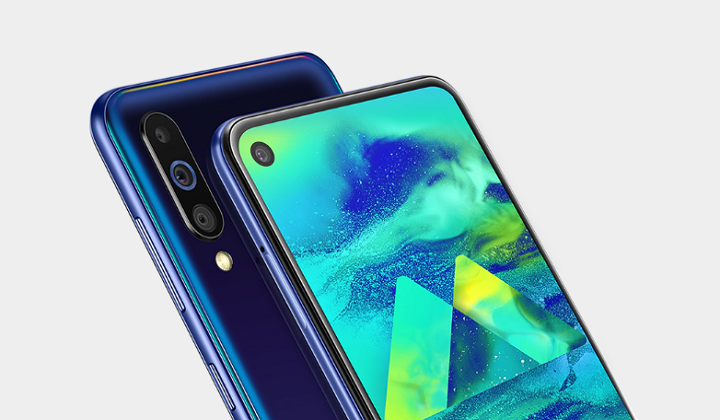
Samsung has reportedly commenced working on the Galaxy M51 at its Noida factory.in India, claims a new post on 91mobiles, The smartphone has a model number of SM-M515 is currently underway.. The smartphone might not be on sale anytime soon since the device is currently in the early stages of production.
Earlier this year, Samusng had launched Galaxy M10, Galaxy M20, Galaxy M30 and Galaxy M40 smartphone in the first part of the year. In the second half of 2019, it unleashed upgraded M smartphones such as Galaxy M10s, Galaxy M20s and Galaxy M30s. This indicates Samsung is likely to skip the Galaxy M50 moniker and directly launch the Galaxy M51 directly in 2020. 
This is in line with the company’s strategy where it plans to replace the A and the M-series moniker with ‘1’, instead of ‘0’. It is too early to speculate on the design and specifications of the M51. The Galaxy M51 will be available at offline retail stores alongside e-commerce platforms since the chaebol has decided to part ways with online-exclusive variants and offers in India. 
Samsung Galaxy M40 Specifications and Features
The Samsung Galaxy M40 flaunts a 6.3-inch full-HD+ Infinity-O LCD display with a resolution of 2340 x 1080 pixels. It features Corning Gorilla Glass 3 certification for additional security. The smartphone draws power from a 2.0 GHz Snapdragon 675 SoC with Adreno 612 GPU. The device features 6GB of RAM and 128GB of native storage, further expandable up to 512GB via a microSD card. The Galaxy M40 flaunts a triple-camera setup at the rear.
The primary camera uses a 32-megapixel sensor that works together with an 8-megapixel ultra-wide lens with a 123-degree field-of-view and a 5-megapixel depth sensor. There is a 16-megapixel selfie camera housed within the punch-hole display for selfies. The smartphone draws power from a 3,500 mAh battery that supports fast charge. The device has a physical fingerprint scanner on the rear for additional security. The Samsung Galaxy M40 runs on Android 9.0 Pie, with the custom One UI skin on top. Connectivity options include dual SIM 4G VoLTE, Bluetooth v 5.0, Wi-Fi 802.11 ac, GPS, USB-C and 3.5mm audio jack. It is currently selling for Rs. 17,999 (~$252) in India.

by Anvinraj Valiyathara

XONE


3-in-1 Wireless Charging Dock Hands-On 

AirPower on the cheap. Ocean Digital is looking to do with the XONE what Apple failed to do with the AirPower. But how does the Chinese company's 3-in-1 wireless charger shape up? The XONE comes with modular accessories too, but there are some trade-offs. The 3-in-1 wireless charger is available to order on Kickstarter now from US$49.
Wireless charging has made a comeback, in large part thanks to Apple. However, while the Cupertino-based finally brought wireless charging to its iPhones a few years ago, it has only released a wireless charger for its Watch series. Infamously, Apple cancelled the AirPower too, its wireless charger designed to recharge up to three devices.
A quick search online reveals a ton of 3-in-1 wireless chargers, of which Ocean Digital claims its is the most affordable. A start-up based in Shenzhen, China with an office in California, the XONE is seemingly the company's first product. Currently priced at US$49 on Kickstarter, where it has received almost US$27,000 in funding, the XONE incorporates two wireless chargers and has a third slot for adding an Apple Watch charger. Not a 3-in-1 charger then, strictly speaking, but the XONE is capable of charging three devices simultaneously.
The XONE will start shipping from February 2020, according to its Kickstarter listing. The wireless charger will enter mass production next month, but Ocean Digital has kindly provided us with an early unit.
Please note that this is a hands-on review. While we shall discuss our experiences with the earbuds, we shall not be covering them to the depth that we usually do in our laptop or smartphone reviews.


Case & Design - Simple, yet cumbersome
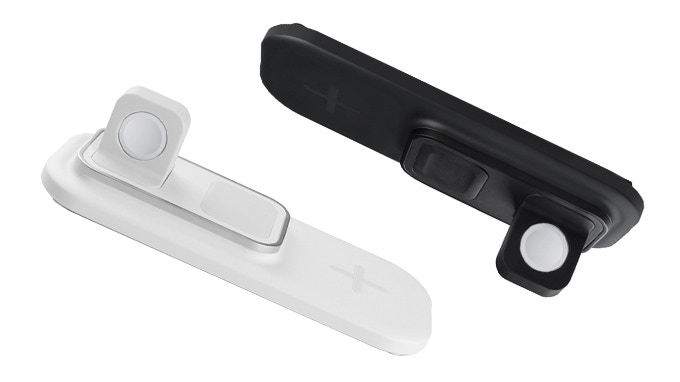
The XONE has a simple plastic design and comes in black or white. While our white review unit has a silver flourish around its second and third modules, Ocean Digital has opted for a more discreet ring on the black edition. Both colours have matte finishes, while our unit does not look as glossy as white models do in pictures.
In our opinion, the XONE feels oddly lightweight considering its size, but not the extent that it will move around when placed on your desk or a side table and with a few devices placed on it. We did not expect the XONE to weigh much though, as it just contains some circuity and a hollow plastic case. Moreover, the third module is merely a hollow silicone shell for holstering an Apple Watch charger.
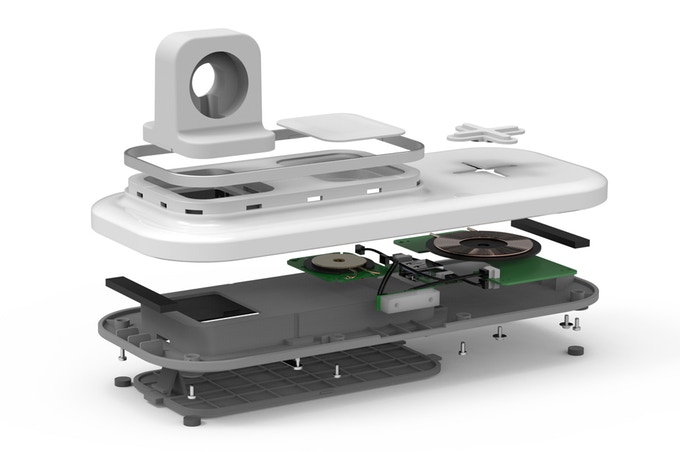
In case you were wondering, the Apple Watch charger connects via a USB Type-A port that Ocean Digital has hidden under a removable bottom plate. This clicks into place with a few plastic clips, making it easier to detach than having to remove screws. Conversely, plastic clips are also more fragile than screws.
Removing the bottom plate reveals some cable routing, a useful and well-thought addition in our opinion. If you do not have an Apple Watch, then the third module can be used as an LED lamp or a bladeless fan. Both power via USB Type-A and currently cost US$10 each or US$15 for two. Alternatively, Ocean Digital sells the two accessories along with the XONE for US$55. The company claims that it will eventually sell the "All In One Set" for US$99, although we do not know where.

Connectivity - USB Type-C and a hidden Type-A
As we mentioned earlier, the XONE has a hidden USB Type-A port, along with a Type-C port that provides the charger power. There are also two LED lights on the front of the charger that denote which modules are in use. Both lights are white and are unobtrusively muted, in our opinion.
The XONE supports up to Qualcomm Quick Charge 3.0, and can output up to 16 W according to Ocean Digital. The charger also supports Quick Charge 2.0, PD9V and AFC. However, the primary wireless charger peaks at 10 W, with Ocean Digital stating that it can also operate at 5W or 7W depending on the device to which it is connected.

Operation - Handy, but slow
We only received the base model, so we cannot comment on the bladeless fan or LED light that Ocean Digital also sells. While the company markets the XONE as being designed for Apple products, it is, after all, a Qi-certified charger. We verified this with an LG V30, which charged with both built-in wireless chargers, albeit rather slowly. The device took about 90 minutes to go from around 50% to 100%, which is a far cry from the speed of other more powerful wireless chargers. Our experience correlates with the XONE delivering around 5 W of power. Ocean Digital states that the charger can push out up to 10 W with Qualcomm Quick Charge 3.0, but our tests suggested otherwise.
Interestingly, while Ocean Digital markets the second charger for AirPods and AirPods Pro, it charged our LG V30 just as quickly as the main charger does. Presumably, you will need a powerful USB Type-C charger to charge two smartphones at once. We tested the XONE with a 65 W Amazon Type-C charger. Ocean Digital does not include one in the box.


Verdict - AirPower on the cheap
Overall, the XONE could be a good purchase if you are wedded to Apple's ecosystem and you have a Watch, AirPods and an iPhone. The XONE is affordable too, but you must contend with questionable warranty coverage. Likewise, you may end up spending just as much on a decent Type-C charger, as Ocean Digital does not include one in the box.
Its low wattage charging may frustrate Android owners who are used to 15 W wireless charging and beyond. While this would not be a problem if you have a home office or would leave the XONE on a nightstand to charge your devices overnight, the XONE is not the wireless charger for you if you want fast charging.
The XONE is a versatile and customisable 3-in-1 wireless charger with some drawbacks.
Overall, the XONE distinguishes itself, in our opinion, from other 3-in-1 wireless chargers on customisability and its cable management. The lack of an internal battery pack means that you cannot use it around on-the-go, which may put some people off, although its cumbersome size would make this a chore.
We like its simple design though, as we do the inclusion of a universal Type-C port. In short, there are few 3-in-1 wireless chargers that are this well-made and feature-packed at US$49. Stepping up to US$55 gives even greater functionality, although we cannot comment on how good these optional modules are for the time being.

by Alex Alderson


FIIO


M15 is and Android-based DAP with loseless audio playback capabilities

Modern smartphones can do a lot of things and have replaced many different devices we used to use in the past like a digital camera or a navigator but there’s still one thing that they are not very good at: high-quality audio reproduction. This gap is detected by FiiO that combines the power of Android OS and quality hardware to release DAPs with lossless audio support and high-quality DAC chips.
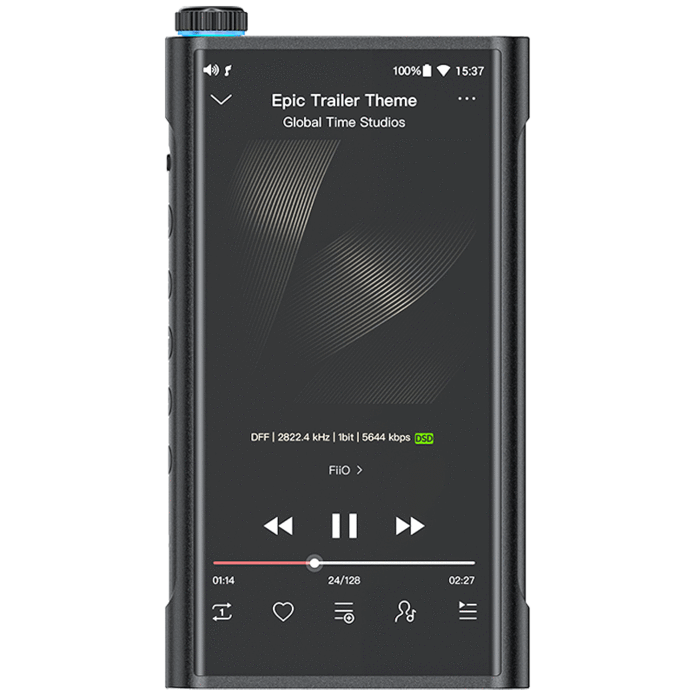
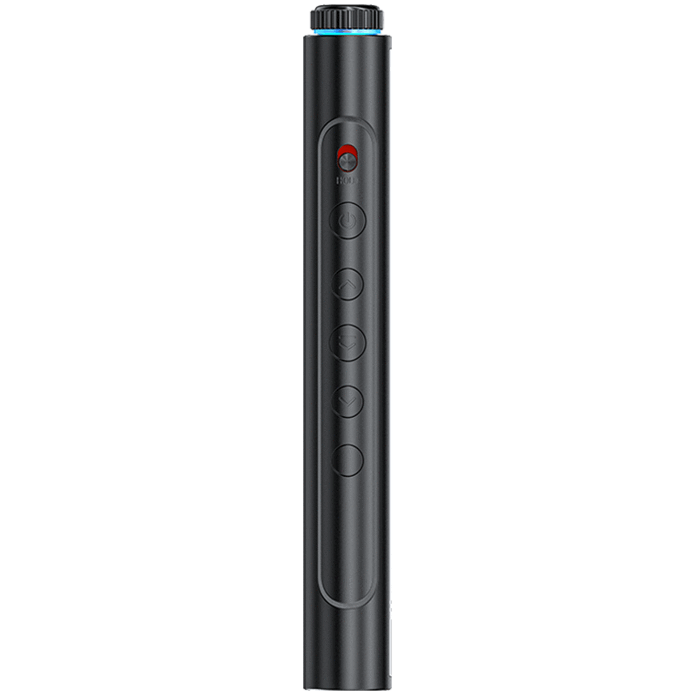
The latest model, FiiO M15 is their flagship and features a dual AK4499 DAC Chip combined with the powerful Exynos 7872 SoC. Also, for those who prefer wireless headphones, there is also a CSR8675 Qualcomm Bluetooth Chip. 


Two Femtosecond Crystal Oscillators from NDK and an Independent XMOS XUF208 control chip are also there to assist. The device features a 5.15″ HD display and as said, it is powered by Android. Of course, a professional Digital Audio Player couldn’t miss the traditional headphone jack, so the FiiO M15 comes with 2.5mm/3.5mm/4.4mm jacks.
Lastly, the device can become a music gateway as it supports FiiO Link, DLNA, AirPlay, and WiFi Song Transfer.

Dimitris Economou

Sunday, December 29, 2019


QUALCOMM


Some 2020 flagship smartphones might not have 5G, and that's a good thing

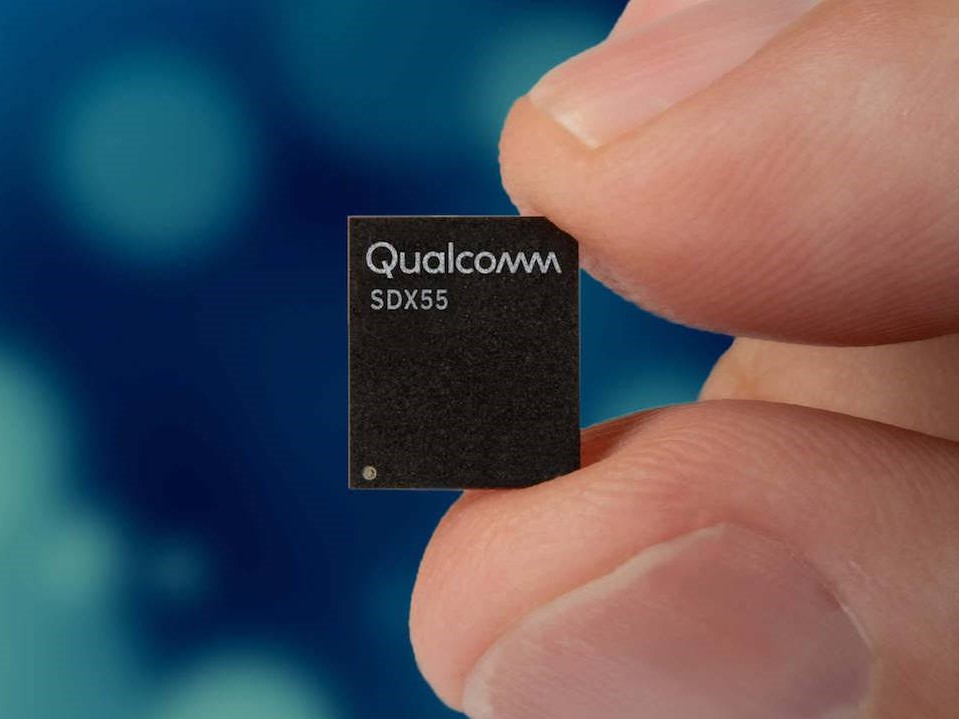
Qualcomm is separating their 5G modem from their flagship SoC, which many are calling a mistake. However, this change almost exclusively benefits everyone, despite what other reports might say.
A few weeks ago, we shared a short article about Qualcomm's decision to separate their latest 5G modem from their Snapdragon 865. In brief summary, this article made a number of points criticizing this decision, citing potential issues with heat and battery consumption due to this change. Getting the facts right in these kinds of situations is important, so today we'll be taking a look from another perspective. 
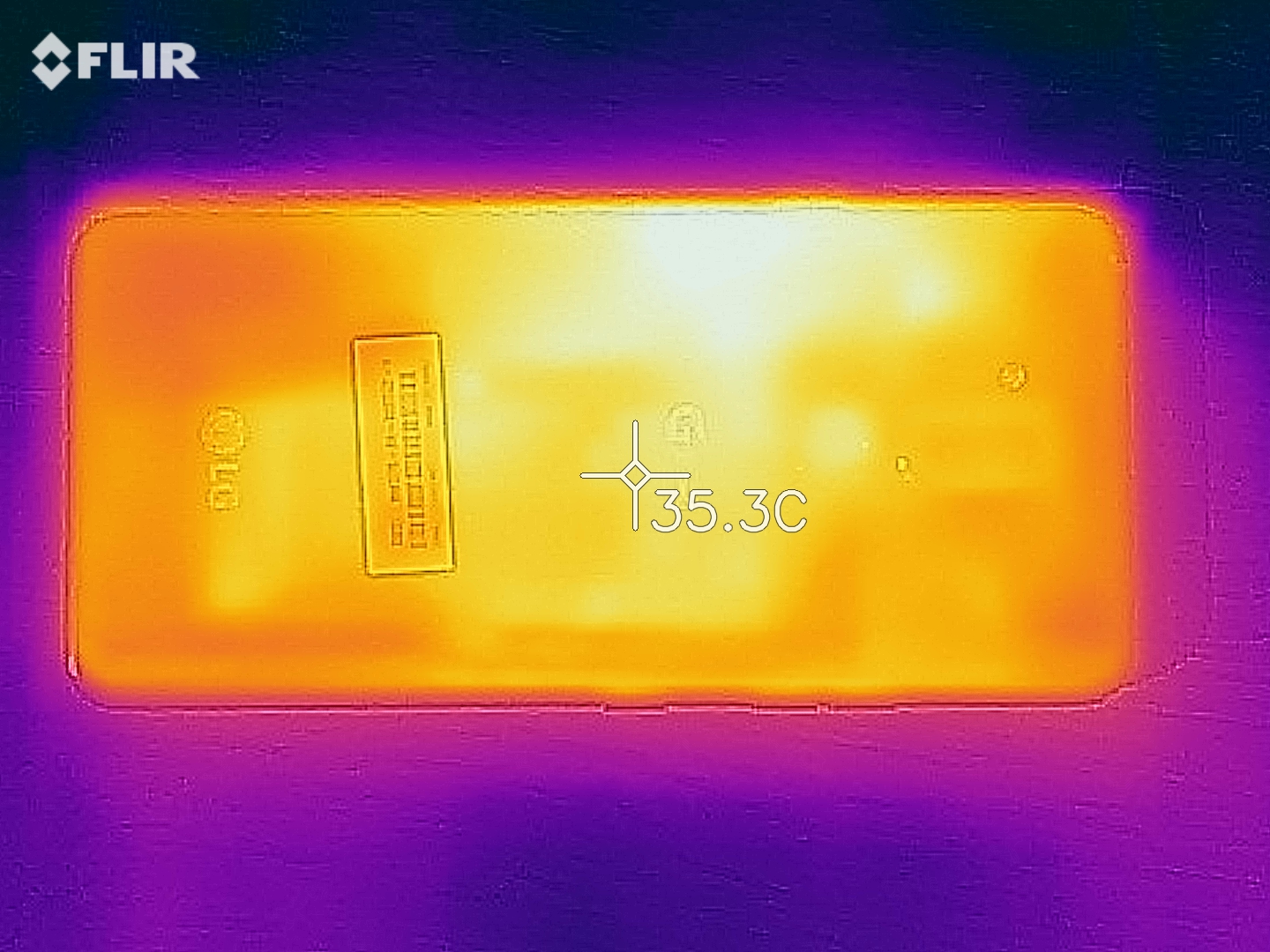
There are a number of potential reasons why Qualcomm made this change, and many of them are beneficial to smartphone owners. If you're looking for a short answer, it's likely something to do with heat. During downloads, your smartphone's processor will be doing a bit of work along side the modem. The added heat from the processor could make the 5G modem throttle faster, so separating them can help mitigate this. Additionally, smartphone manufacturers can design systems to keep these chips cool, even when the SoC is hot (for instance, while playing a game).
We'll cover more reasons later in the article, but first, let's address some common questions and points brought up against this change.

Will this make my smartphone run hotter?
In short, no. Qualcomm's X55 modem isn't going to consume much, if any more power than it would've integrated into the Snapdragon 865. The chip itself isn't any different efficiency wise. The amount of added heat from the chip due to this separation would be negligible. Since the two chips were designed for each-other, there should be no extra processing required for them to communicate. Even if there was, the amount of power used for that system wouldn't be worth worrying about.


Now, 5G modems do use a lot of power during high load, which results in a significant amount of heat. Any 5G phone will get warm when doing long, high bitrate downloads due to the nature of the technology. Since this tech is rather new, and it's been a while since manufacturers have had to deal with separate modems, the cooling on these chips might not be adequate yet. In later revisions of these devices and chips, it's very likely we'll see smartphones maintaining 5G speeds with almost no throttling.

Will this reduce my smartphone's battery life?
No, separating the modem from the Snapdragon 865 will not reduce your smartphone's battery life. As just mentioned in the heat section, the chip is not significantly less efficient separate than it would be combined with the SoC. Realistically, this change could potentially improve future smartphone's batteries. Assuming future modems will be compatible with the Snapdragon 865, future mid-end phones using this SoC could use a more efficient modem.
Even though 5G traffic does consume more power, it's more efficient. Downloading the same amount of data with LTE would require more power over a longer period of time than with a 5G modem, which accomplishes the same download faster with less energy consumed. Overall, 5G is a pretty efficient piece of technology, at least when used correctly. Venturebeat mentions that for more occasional traffic (like web browsing), only using 5G would likely be less efficient.
A good example of separate modems and efficiency is the Apple iPhone 11 Pro and 11 Pro Max compared to the Samsung Galaxy S10 and S10+. The iPhone 11 Pro (as well as the Max model) use an Intel modem for their cellular communications. The S10 uses either a custom modem (for Exynos versions) or a Snapdragon 855 with integrated modem. Despite having a separate modem, the iPhone 11 Pro operates (on average) about 13% more power efficiently than the Galaxy S10. These numbers were calculated based on our power consumption during load numbers. This isn't even considering the performance difference, which is about 50% in favor of the iPhone. Apple certainly doesn't seem to be having trouble.

Will my next smartphone be more expensive?
Maybe, but it probably won't be Qualcomm's fault. An explanation for this is Qualcomm wanting to profit more on tablets, Chromebooks, and ARM-based laptops. Historically, these devices typically haven't used Qualcomm's flagship processors due to the inclusion of the unnecessary modem. Since Qualcomm sells their Snapdragon 865 without a modem, manufacturers can use the chip without the modem functionality. This not only brings their flagship performance to more devices, but it increases their profits as a whole.
It's unlikely Qualcomm is profiting by "double charging" for the modem and SoC. If they were interested in doing that, producing something like the Snapdragon 765G doesn't make much sense. A mid-range processor with integrated 5G probably isn't going to be making them huge margins, after all. This ultimately just seems to be Qualcomm attempting to diversify the devices using their flagship SoCs.

Why did Qualcomm do this?
There's a number of different avenues you could go down to try and explain this change. Qualcomm hasn't officially stated why this change was made, so much in this section is largely assertions based on what we know. Consider this speculation, not any definitive reasoning for Qualcomm's action.
Recently, Qualcomm was found to be in violation of Antitrust laws in California after being charged by the FTC. This was just a month after Apple and Qualcomm had settled their antitrust case, which lead to Intel immediately exiting the modem market. Early this month, Intel blamed Qualcomm for their modem business failing, stating that their manipulative practices prevented them from entering the market.
While it appears that Qualcomm is "getting away with it," it's hard to say this antitrust battle is over. This is the third time Qualcomm has been accused of violating antitrust laws (including a 2008 settlement with Nokia), and it likely won't be the last. There's a good chance that Qualcomm is transitioning out of these practices in fear of losing an antitrust lawsuit. If this is true, then this is good news for everyone. In this case, Qualcomm-based devices would be able to use third-party modems, which could potentially result in cheaper or more power efficient phones. 
While it is true that the Snapdragon 765G will have the new 5G chipset integrated, that's less of an issue than in the Snapdragon 865. As hardly any flagship smartphones use anything but the latest Snapdragon chip, it makes sense that this move would come there first, as that's the majority of the market. Besides legal concerns, it makes technical sense as well. The 765G is a less powerful chip, which consumes less power overall. Since it won't get nearly as hot as a Snapdragon 865 under load, the 5G chip probably wouldn't overheat as quickly when the processor is under load. However, we don't have much data on the Snapdragon 765G yet, so it's hard to definitively say if this is the reason.

Should I care that Qualcomm did this?
I'm not the one to make that kind of decision for you, but I'd encourage you to care. Qualcomm's decision to do this is very good for everyone involved, both manufacturers and consumers. Not only is there more potential for choice in the smartphone market, but competition as a whole is increasing. In a few years, we could even see Android smartphones with Apple modems in them. Besides diversity of parts, the competition could help drive prices down on smartphones due to reduced parts costs.
Overall, this is a positive change for everyone. It's important that we support this kind of competition-promoting activity, otherwise there's little reason for Qualcomm to continue doing it.

by Loki Rautio

TECH


Best VOIP Calling Apps you should know!

Cellular calls have become the thing of the past in today’s fast-paced internet world. VoLTE and VoIP call through the internet offer much better quality and other additional features that are not possible through normal cellular networks. The internet also permits video calling with screen sharing and various other functionalities depending on the service. That being said, there are a vast number of services and apps for VoIP calls. Hence, to help you decide, we have compiled a list of best VoIP calling apps.
The below-listed app for VoIP calls have been existing for a long time and most of us might have used it at least once or maybe even use them on a daily basis. These apps not only allow you to make calls but also allow you to text and video call. Lastly, not all of them are free as some of them need a subscription to use additional features.

skype logo
Skype
Skype is one of the oldest players in the VoIP services since its existence from 2003. It has been associated with video calls for a very long time, even before the rise of smartphones. It offers various functionalities such as chat, voice calls, video calls, SMS, and even calls to landline phones which requires a subscription. All-around, Skype is the best option if you looking to use VoIP calls. Android users can also opt for a lite version of the app if their phones could not run the app efficiently.

viber logo
Viber Messenger
Viber is yet another VoIP app that is newer than Skype but can still easily compete with it. It is available for various other platforms and offers features such as chat, video calling, public group chats, and even calls to landline phones via subscription. In other words, Viber is a replacement for Skype since both of them have identical functionalities.

messenger
Facebook Messenger
If you are a Facebook user, you will be definitely using Messenger since it is the only way to communicate with your friends. Since it is used by most people, there’s nothing we could say that you are not aware of. Apart from chatting, calls, and video calls, Messenger also has games that you can play to compete with your friends. In case your Android smartphone could not handle the standard app, you can opt for Facebook Messenger Lite from the Play Store.

google duo
Google Duo
Google Duo is the newest app in our list of best apps for VoIP calling. Although it is new, the app has generated a huge number of the user base in a short period of time since it comes pre-installed on most Android smartphones as part of Google apps suite. It offers high-quality audio and video call support even on a slower internet connection. Unlike other apps in the list, it does not offer chat or any other additional features but it does the job as intended.


Signal Private Messenger 
Signal Private Messenger is all about privacy. If that is your first priority, Signal is a must-have app for chat and voice calls. There is nothing else to say about Signal since it is all about privacy, encryption, and security. The app features a minimal design similar to its features and is completely free to use.

discord-logo
Discord
The last app on our list is quite strange since this one is solely recommended for gamers. There is not a single app out there which is as efficient as Discord. Gamers prefer Discord voice calling over in-game audio which itself says the quality of the service the app offers to its users. It offers only voice calls and chats with additional in-app purchases for customization.

by Simranpal Singh/mundophone

HUAWEI


The P40 Pro takes design cues from Samsung's past and future flagships

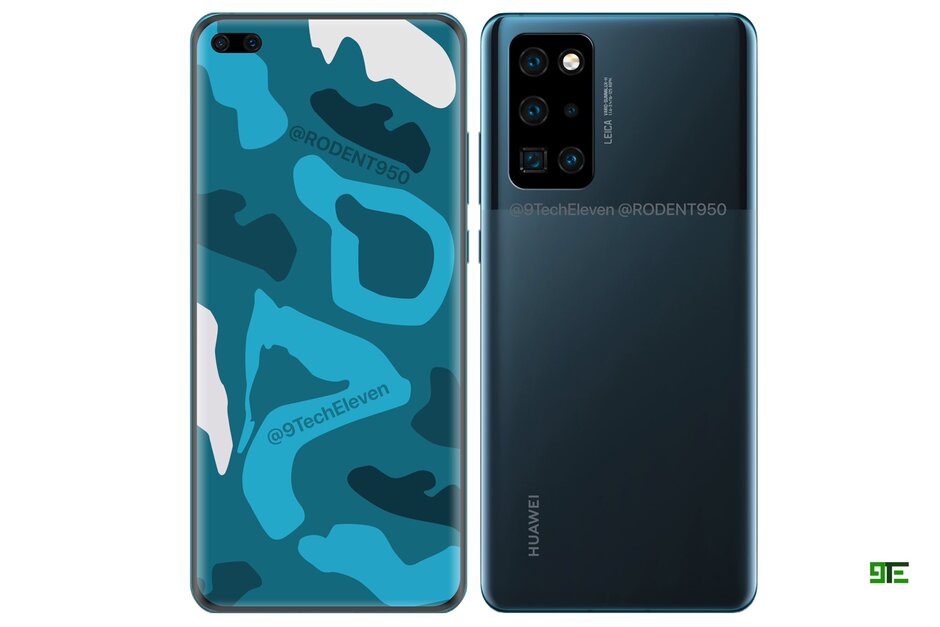
The Huawei P40 Pro is set to be launched soon. For the first time, we finally have a good idea of what the phone will look like. Notable takeaways include a penta-camera setup, curved edges with incredibly slim bezels, and a number of design choices which Samsung fans will find familiar.
Huawei has confirmed that the P40 Pro will be launched in March next year. That's less than three months away at this point, so it's no surprise that more and more leaks about the phone are starting to surface. The latest of the lot gives us our first clear look at the phone.
The renders were shared by popular leakster Ice Universe who's typically reliable on matters like this. Going by the images, the P40 Pro will feature a penta-camera setup The P20 Pro had three, the P30 Pro had four, and it stands to reason that the P40 Pro goes one step further.


363 people are talking about this

The rear camera module is rectangular. Pretty similar to what we've seen on Galaxy S11 leaks so far, in fact. Three lenses are lined on the left, with the bottom one being a periscope lens. The P40 Pro will supposedly feature a redesigned periscope setup that will grant it 10x optical zoom superpowers. On the right is an LED flash, what appears to be a TOF sensor, and one more camera. We expect the last sensor to be a macro shooter.
The front of the P40 Pro plays host to a dual punch-hole. Or a pill, as it's called. It's a lot like the one on the Galaxy S10+, albeit smaller and on the other side of the display. The phone's edges are curved, but that's no surprise at this point.

by Ricci Rox

TECH


11 Tech Trends We Need to Dump in 2020

Covering the tech industry every day tends to make us a bit cynical. So toward the end of each year, we like to get it out of our systems by writing up our saltiest hot takes on the tech trends we want to see wiped from the face of the Earth.
Of course, it doesn't always work out that way. We often end up decrying the same tech-industry scourges year in and year out. But that doesn't mean we'll stop yelling about them.


Marketing the Surveillance State
Distrust in the government is as American as apple pie, and there's a long tradition of the public railing against efforts to surveil them. The most recent, of course, are the Snowden leaks, which led to the termination of NSA spying programs and (supposed) reforms to the FISA courts. But while we were all so worried about the government building a massive surveillance apparatus in secret, we've allowed it to grow on our phones and in our consumer electronics. The close ties between Amazon's Ring products and a program that encourage customers to voluntarily turn over footage to local police, is just one example of how consumer products are being used to let Big Brother keep an eye on us. Companies need to put privacy first, and consumers need to be as suspicious of friendly corporations as they are of their own government. —Max Eddy, Senior Software and Security Analyst.
People buy Ring doorbells for all sorts of reasons—a sense of security, a way to deter porch pirates, the novelty of seeing who's at the door without even being home. But connected doorbells with a direct tie to police departments and ICE are turning consumers into modern-day Stasi informants. Ring has partnerships with over 400 local police departments, and its Neighbors app lets users share footage of anybody who comes to their doorstep. People distributing leaflets or campaigning for a candidate can be subject to scrutiny and suspicion by those in the surrounding area on the app or—if footage is put on social media—much worse. And undocumented family members, friends, delivery people, or domestic help are subject to facial recognition which is shared with local police departments and ICE.—Chandra Steele, Senior Features Writer.

Political Ads on Social Media (Credit: Andrew Caballero-Reynolds / Getty Contributor)
Political Ads on Social Media
Political ads on social media spread misinformation, but while Twitter has banned them, Facebook has no interest in doing so. It's time we hold companies like Facebook accountable for the damage it has done to our society. Political ads on social media need to go, because the audience they reach are being misled.—Jason Cohen, Associate Editor, Help & How-to.


Wired VR
Virtual reality is a huge pain. Most of that pain is the need to tether your head to a computer and then dance over a cable while you flail around the room. The Oculus Quest proves that isn't necessary. So why are we seeing more tethered VR headsets? Why are the HTC Vive Cosmos and Valve Index things at all, instead of HTC and Valve putting all of their VR resources into the Vive Focus and... whatever wireless headset Valve might come up with? Let's ditch cables in 2020.—Will Greenwald, Senior Consumer Electronics Analyst.


5G Hype
Wireless carriers spent the year promoting 5G networks that almost no one can use. They overpromised and underdelivered. The carriers should shut their mouths until they have networks with affordable service plans, easy to read coverage maps, and devices that actually work on the full networks.


The Proliferation of Payment Apps
For money to work, the same dollar has to be able to buy anything from fighter jets to six packs. Unfortunately, the growth of digital payments is splitting cash into a kaleidoscope of services that don't work with each other. You want to split a check with friends? Everyone needs the same app, which means yet another company will have your personal information. A new experience I have learned to dread in recent years is the inevitable fight that comes at the end of the meal, where everyone dukes it out for which app they'll use to pay each other. Money is money, and I should be able to use Zelle to send a dollar to your Venmo account. With so many options for payments, now including Facebook Pay, cash is fast becoming the less confusing and less controversial.—Max Eddy, Senior Software and Security Analyst.

Private Equity Demolishing News Sites
In the span of a month, two of the biggest names in sports journalism—Deadspin and Sports Illustrated—were all but obliterated by their new private equity owners. G/O Media's progressive politics blog, Splinter, was also shuttered in October. The circumstances are different in each instance, but in both cases, the owners decided that their websites didn't need fancy features like "beloved writers" or "content that readers actually want." In Deadspin's case it's Great Hill Partners, while SI's operations are now licensed to media company Maven and owned by Authentic Brands Group, which is controlled by BlackRock's private equity fund.
They assume that readers will just keep coming back anyway because they're very attached to...the domain name? The logo? The growing wall of ads? It's unclear what the actual business plan is. But even if these private equity firms manage to turn a profit in the end, the fact remains that the journalism is poorer for their efforts.—Peter Haas, Social Media Manager.


VPN Backstabbing
The VPN industry has exploded, thanks to a perfect alignment of cheap cloud server hosting, affiliate marketing, and global paranoia. It's not necessarily a bad thing, since this once niche technology can now easily and cheaply be used by anyone, but this white-hot market hasn't always led to moral choices by VPN companies. Bogus free VPNs that steal your data plague mobile platforms, and even the legitimate companies engage in misinformation campaigns against their competition that ranges from the sophomoric to the nefarious. The chaos is hurting this still-young industry and making consumers (and reviewers!) distrust VPN companies. The industry badly needs to declare a truce, and recognize that when it comes to protecting consumers everyone is on the same side. —Max Eddy, Senior Software and Security Analyst.


Streaming Service Balkanization
Streaming media has two big, opposing problems. One is a bunch of content getting fractured into loads of different subscription services. On one hand, it's a horrible pain to track which services have the shows you want to watch when they're spread across multiple video-streaming services. Too many companies are trying to carve out their own little niches and get their own monthly fees, and that will sour everyone on the very idea of cord-cutting to begin with. We need more bundle services like VRV, which takes several services at once and provide a single monthly fee and app to access content on them. —Will Greenwald, Senior Consumer Electronics Analyst.


Disney
In the other direction, we have Disney swallowing every major cinematic moment of the last half-century and locking it up in its vault. With the acquisition of Fox, the company now has a terrifying amount of control over American cinema. When Disney was just "Disney," tossing movies into its vault was irritating but limited. So some animated classics had timed windows of access. That sucked, but fine. Now the Disney vault includes Marvel, Star Wars, and 20th Century Fox, so a massive swath of movie history and culture is under the control of a single company with a single service and the ability to limit the availability of previously widely available classic films on a whim. —Will Greenwald, Senior Consumer Electronics Analyst.


Pop Sockets
Pop sockets are surprisingly versatile, giving you a better grip on your smartphone and letting you conveniently prop it up on a table to watch videos. These holders, which attach to your phone case and retract when not in use, nevertheless need to die. Why? They’re powerful enablers of tech addiction, practically ensuring your phone is glued to your hand at all times, ready to scroll through social media feeds and avoid face-to-face interaction. —Tom Brant, Senior Hardware Analyst.


Silicon Valley Saviors
Drunk on the success of creating smartphones, and the mobile computing revolution that followed, Silicon Valley convinced itself that the same skills for making apps and tablets could solve any problem. It hasn't turned out so well. We're festooned with expensive devices that need constant replacing, inundated with data we can't interpret, and torn apart by the social media that was supposed to bring us together. I can tell you exactly how many steps I took yesterday, and can get an Uber across town, but neither me nor the Uber driver can afford our medical bills. If technology companies want to fix the world, they need to do it for the public good and without a profit motive. And we need to stop hoping the luminaries of tech will save us from the problems they created. —Max Eddy, Senior Software and Security Analyst.

Robin Marvin

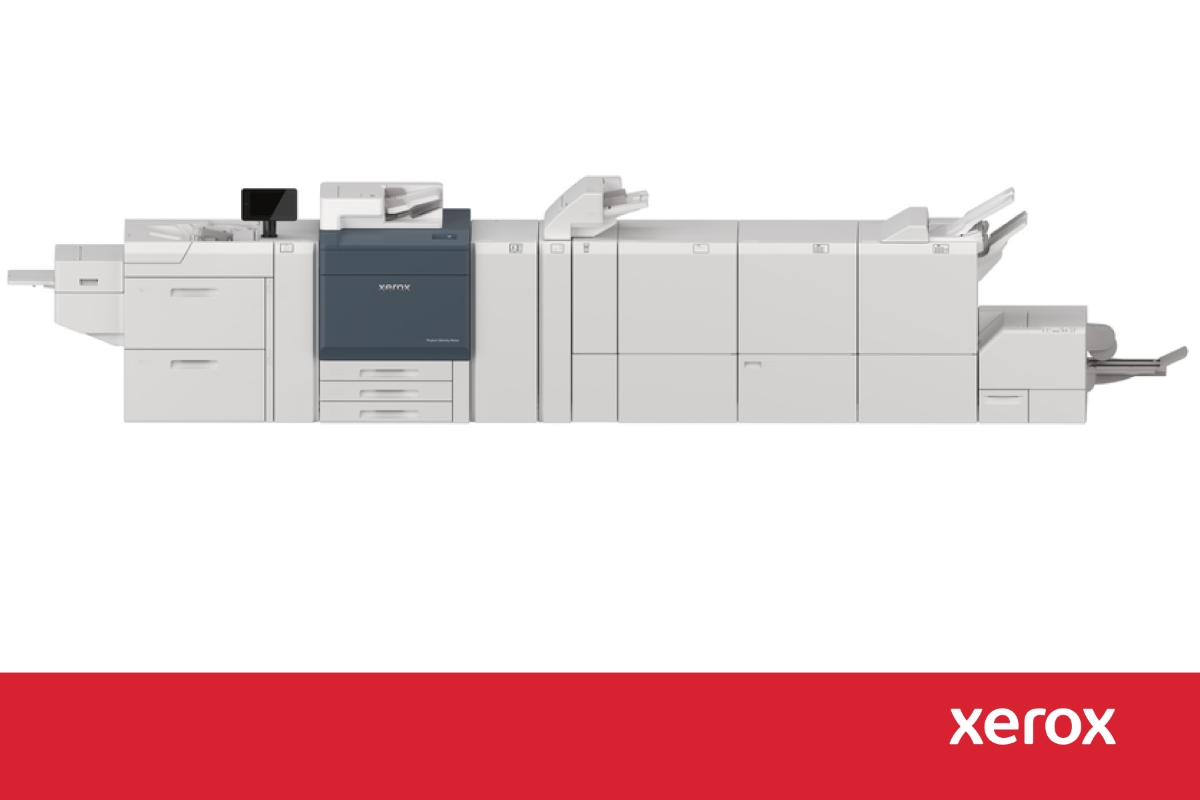
  XEROX Xerox has announced the Proficio™ PX300 and Proficio™ PX500 Xerox announced the strengthening of its production ecosystem with the l...